

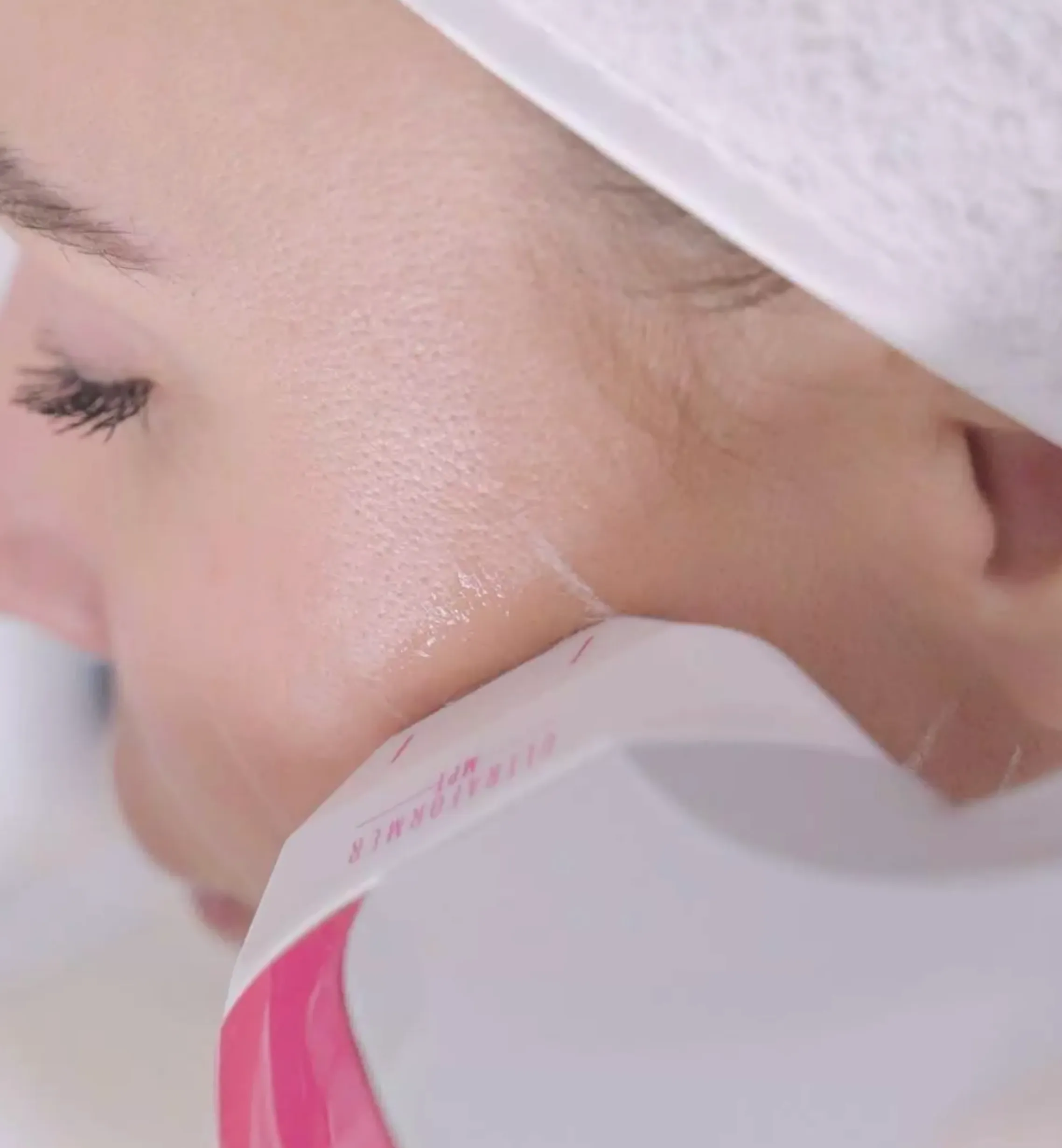
Every time someone asks me, “Sevine, what vitamins for skin glow?” I crack a smile – not because I’m about to regale them with yet another skin product sales pitch, but because I think they’re already on the right track & wanting some genuine advice. You’re not looking for a quick fix or a magic bullet – you’re after the real deal, the lowdown on how to get your skin looking & feeling its absolute best. That’s precisely what we’re all about here at The Facial Hub – getting to the truth of skin health & well-being. Sometimes, when I’m doing a dermaplaning treatment in Brisbane, I get asked the same question mid-treatment, and it always leads to a fantastic skin chat.
When we talk about radiant skin in our studio, we’re not just going for a fake glow or a filtered finish. We’re talking about skin that’s genuinely healthy & resilient – skin that’s got strong collagen production, steady cell turnover, and a barrier that can keep out the sun, pollution and all the other daily nasties that tend to happen when you’re out in Brisbane’s humid climate.
Contents
- 1 Why Do Nutrients Really Matter?
- 2 The Essentials That Get Your Skin to Actually Respond
- 2.1 Vitamin C – The Brightening & Collagen-Boosting Star
- 2.2 Vitamin A (Retinol & Retinoids) – The Accelerator of Glow
- 2.3 Vitamin B3 (Niacinamide) – The Peacemaker that Calms It All Down
- 2.4 Vitamin B5 (Pantothenic Acid) – The Hydration & Repair Expert
- 2.5 Vitamin E – The Unsung Hero of Skincare
- 2.6 Vitamin D – The Skin Superhero
- 3 Vitamins Compare: A Quick Guide
- 4 A Simple Way To Choose What Needs
- 5 Treatment Room
- 6 When Vitamins Alone Aren’t Enough
- 7 Finding Your Glow
- 8 FAQ
Why Do Nutrients Really Matter?
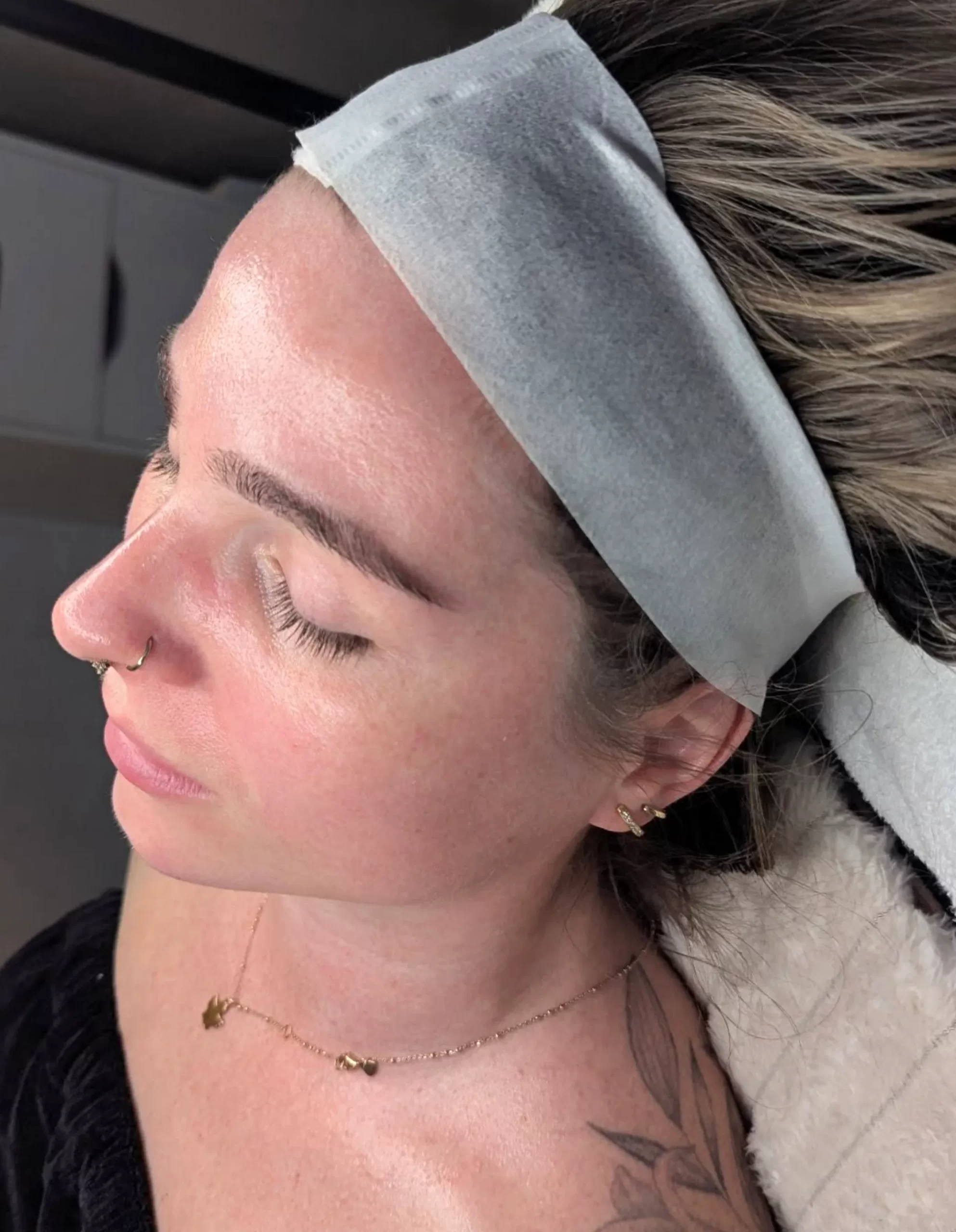
Before we get into the nitty-gritty, I want to make one thing crystal clear: your skin will look its absolute best when it’s well-nourished, plain & simple. Vitamins act as key helpers in all sorts of cellular repair & regeneration – it’s literally impossible for your skin to repair or defend itself without them.
Over the years, I’ve done countless skin treatments across Brisbane & Melbourne – and I’ve seen with my own eyes how clients see far better, longer-lasting results when they’re feeding their skin the right vitamins – either through their diet or through treatments like dermaplaning & even skin needling in Brisbane when they want to get really serious about long-term collagen support.
The Essentials That Get Your Skin to Actually Respond
Okay, let’s cut to the chase – the vitamins that really make a difference in glowing skin, without piling on the fluff or giving you a sales pitch about citrus and collagen peptides (although they do have their uses)
Vitamin C – The Brightening & Collagen-Boosting Star
Vitamin C is the foundation of a good skincare routine. Skin uses it daily to build collagen, achieve a brighter glow, and protect itself from damage caused by UV rays and pollution. Whenever I have a microdermabrasion treatment at The Facial Hub, I apply the Vitamin C serum immediately afterwards to help.
Why this works:
Blocks those pesky dark spots from forming in the first place
Helps keep collagen levels up and gives your skin a bit of structure
Neutralises free radicals caused by UV and pollution that harm your skin harm
My experience: I’ve seen firsthand the power of Vitamin C. We used it on models after they’d had a gruelling photoshoot in Mayfair, and their skin looked instantly better because it supported their stress-hit skin barrier.
Vitamin A (Retinol & Retinoids) – The Accelerator of Glow
Vitamin A is your go-to for a glow-up. It boosts cell turnover, gives your skin a bit of structure and helps your collagen production get going for a fresher, younger look. I frequently see this on the request lists at The Facial Hub in Brisbane, especially from people seeking smoother skin without undergoing an aggressive peel.
Why it works:
Sorts out rough skin texture
Helps counteract the signs of aging that your skin gets from UV
Gets rid of clogged pores and supports the repairs that keep your skin looking healthy
Studio note: I once had a client who’d gone overboard on peels and was now super sensitised. We sorted her out with low-dose Vitamin A, plenty of hydrating goodness, and barrier-repairing nutrients, and got her skin back on track. Slow and steady wins here.
Vitamin B3 (Niacinamide) – The Peacemaker that Calms It All Down
Niacinamide (or micro-encapsulated Vitamin B3) is like the skin barrier’s best friend. It keeps everything in balance and protects your skin from any damage. Many clients ask whether they can use niacinamide after dermaplaning in Brisbane, and the answer is yes! In fact, it’s just what the doctor ordered for sensitive skin.
Why it works:
Reduces redness and helps stabilise the skin barrier
Keeps oil production in check across all skin types
Aids in protecting against damage caused by UV rays
This is especially handy in Brisbane, where the humidity can be harsh on your skin and the environmental aggressors are in full force.
Vitamin B5 (Pantothenic Acid) – The Hydration & Repair Expert
Vitamin B5 – the one that doesn’t get much airtime, but is vital for a smooth, healthy complexion. It’s a master of hydration, wound healing and keeping your skin looking its best.
Why it works:
Helps lock in moisture for super-soft skin
Supports the repair process so your skin can get back on track more quickly
Great for sensitive or compromised skin conditions – it really can help them recover faster
Clients who’ve been struggling with sensitive skin or environmental stressors have seen real results when they add Vitamin B5 to their routine – especially after treatments like skin needling in Brisbane, support the repair and regeneration ofhydrated, where they need help healing up as fast as they can.
Vitamin E – The Unsung Hero of Skincare
Vitamin E is a total rockstar when paired up with Vitamin C – they team up to give you some serious antioxidant power and help keep your lipid barrier in top nick.
The lowdown on how it works:
Protects your skin from the sun’s UV rays and other environmental damage.
Works wonders for dry and mature skin, leaving it feeling plumper and more hydrated.
Helps give your skin a more even texture and just generally makes it more supple and flexible.
To be honest, I do think it’s useful for people who are getting dry skin from spending too much time in the sun or whose skin has dried out because their heating has been on high all winter.
Vitamin D – The Skin Superhero
Vitamin D does some fantastic stuff for your skin – it’s involved in things like immunity and wound healing, and it helps keep your skin’s natural barrier strong and in good nick. And if you live in Australia (especially Melbournians!), you might find yourself running low come wintertime.
The reasons why it’s so good:
Helps calm down any inflammation that might be going on
Supports new skin cell growth
Generally, it makes your skin’s structure stronger and more resilient
Just a quick side note here – always get your Vitamin D levels checked by a doc before you start supplementing, trust me, you don’t want to overdo it.
Vitamins Compare: A Quick Guide
| Vitamin | Main Benefits | Best For | Time To See Results | Notes |
|---|---|---|---|---|
| Vitamin C | Brightening, collagen production, antioxidant defence | Dullness, dark spots | 4–12 weeks | Protects against environmental damage & free radicals |
| Vitamin A | Texture smoothing, cell turnover, anti-ageing | Congestion, sun exposure, skin aging | 6–16 weeks | Introduce gradually |
| Vitamin B3 | Skin barrier strengthening, redness reduction | Sensitive or stressed skin | 2–8 weeks | Micro-encapsulated Vitamin B3 absorbs more evenly |
| Vitamin B5 | Hydration, wound healing, cellular repair | Dehydration, compromised skin | 2–6 weeks | Works well in soothing routines |
| Vitamin E | Nourishing, protective, moisturising | Dry or mature skin | 2–6 weeks | Enhances Vitamin C stability |
2026 Insight: The Beauty & Wellness Market Review reported that 78% of consumers now choose products based on collagen-boosting nutrients and antioxidant vitamins (data valid January 2026).
A Simple Way To Choose What Needs
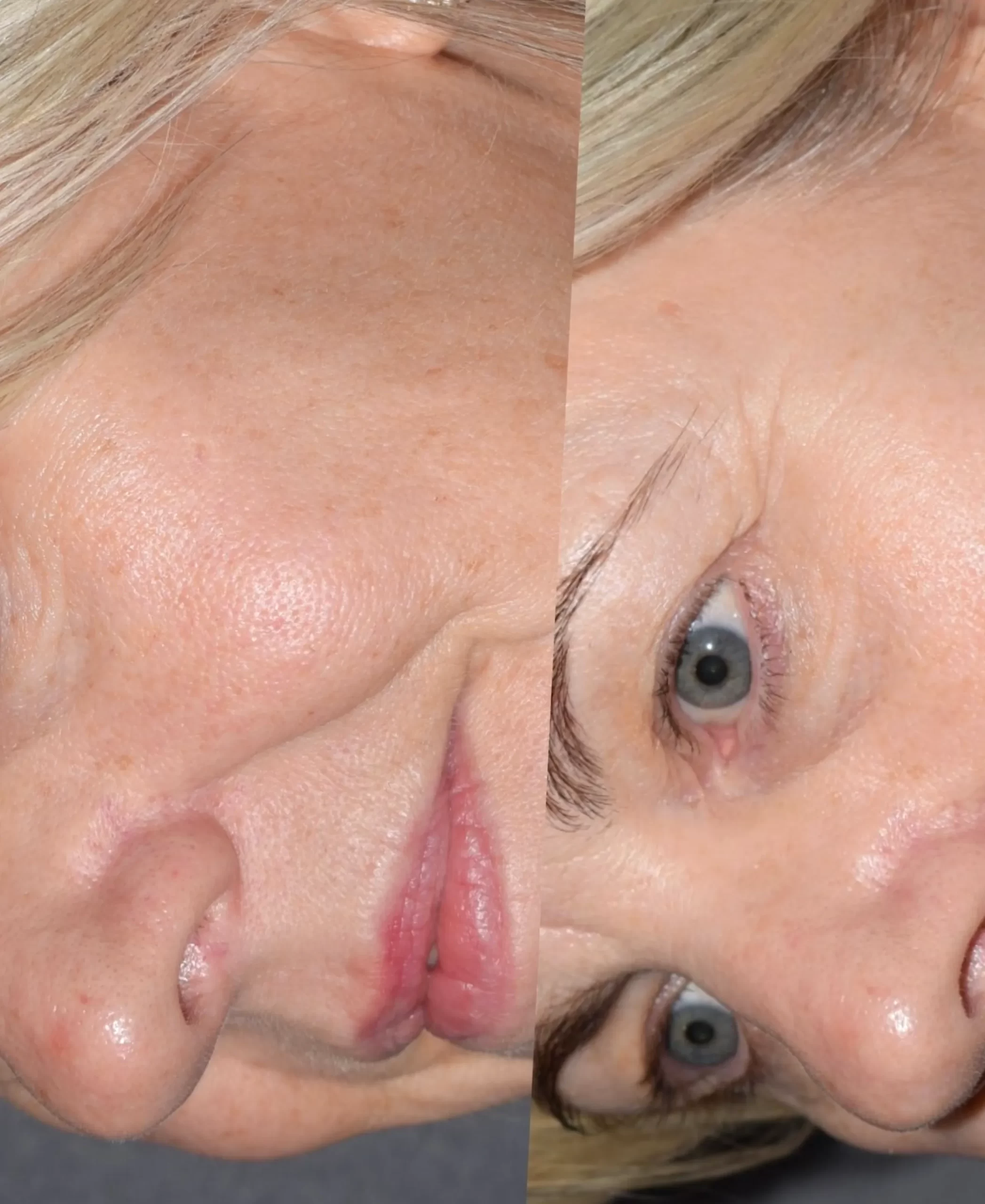
Let’s strip this down to the basics – because trying to figure out the proper skincare routine can be just plain overwhelming.
If You Want Radiant Skin
Vitamin C is the go-to solution for dark spots and UV damage. Even clients who come to The Facial Hub for microdermabrasion often add a Vitamin C serum to brighten their skin.
If Your Texture Feels Rough Or Congested
Vitamin A helps cells turn over slightly faster and strengthens the skin’s natural barrier.
If Your Skin Gets Irritated Easily
Niacinamide and Vitamin B5 help restore the skin’s barrier function and reduce redness.
If You’re Dry Or Mature
Vitamin E supports the skin’s natural lipids and helps keep it safe from environmental damage.
If You’re Healing Or Stressed
Vitamin D and B-complex vitamins support the repair and regeneration of skin cells.
Treatment Room
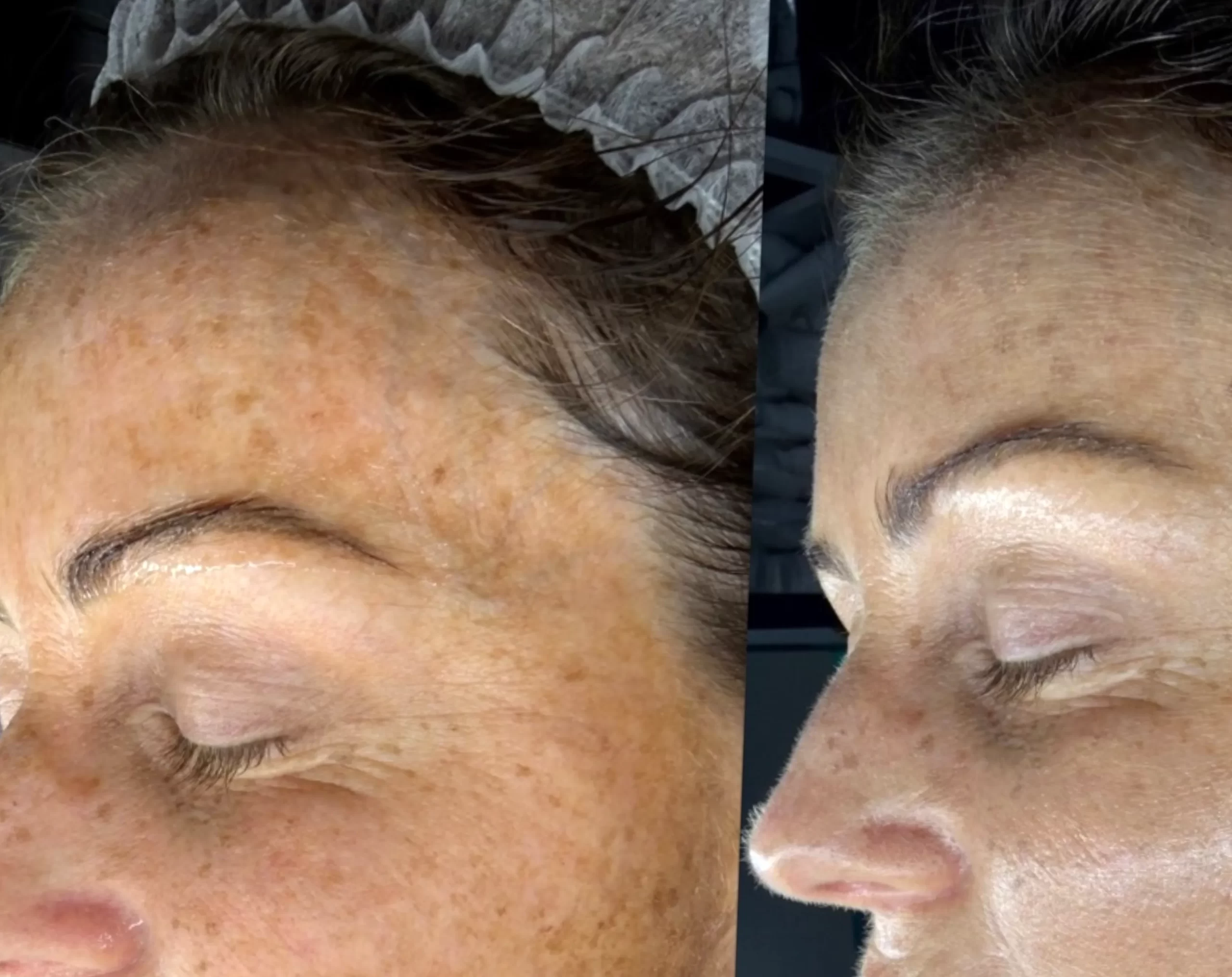
Here at The Facial Hub, every skincare routine is tailored to the individual. The thing is, a glowing complexion is a biological response – and it’s not something we can fake – it all comes down to the state of the skin’s barrier, how it’s handling environmental stressors and whether or not it’s getting the nutrients it needs. During some treatments like dermaplaning people often ask if vitamins can give the results a bit of a boost, and yes, they do work well together.
What this looks like during treatments:
Hydration mapping to improve skin barrier function
Barrier analysis to identify epidermal barrier weaknesses
LED therapy for cellular repair and collagen-boosting support
Nutrient-rich serums designed to protect against UV exposure and environmental aggressors
Our clean beauty protocols prioritise gentle support for the extracellular matrix and long-term healthy-complexion goals.
When Vitamins Alone Aren’t Enough
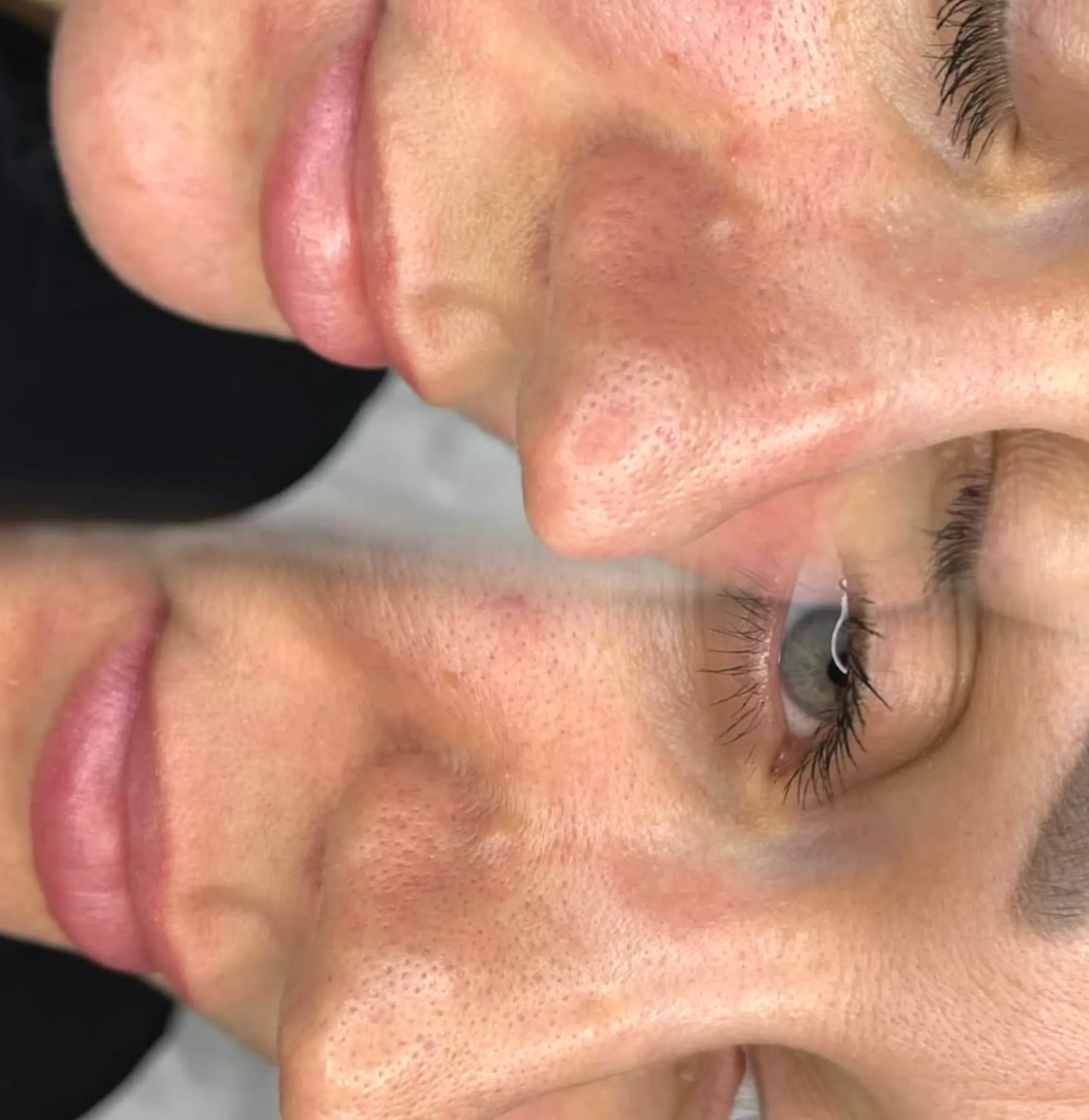
Even the best vitamins can’t overcome lifestyle stress, UV damage, environmental stress, and inconsistent routine. If your skin isn’t shifting like you want it to, it may be time to bring in some other treatments, such as:
LED therapy
Enzyme facials
Gentle exfoliation
And hydration-driven treatments
Many people combine topical vitamins with treatments such as skin needling in Brisbane to boost collagen, or microdermabrasion at The Facial Hub for smoother skin.
Finding Your Glow
The thing is, your glow doesn’t come from being perfect – it’s all about nourishing your skin, protecting it from damage, and being consistent with your routine. Once your skin’s barrier is strong and your routine is supporting healthy collagen production and cell turnover, a radiant complexion becomes a breeze.
If you’re ever unsure where to start, you’re always welcome to visit The Facial Hub in Brisbane, where we can develop a vitamin-rich plan tailored to your skin type, goals, and lifestyle.
FAQ
Can I use all these vitamins at once?
You can, but using too many at once may overload your skin’s barrier. Just introduce each one gradually.
Do vitamins make you glow right away?
No way – getting a real glow takes time – it’s about collagen production, cell regeneration and environmental damage over the course of several weeks.
Is food enough, or do I need to take supplements?
A healthy, balanced diet is the foundation of good skin, but using topical vitamins can provide an extra boost for issues such as dark spots, dryness, and UV damage.
Which vitamin is best for acne-prone or textured skin?
Vitamin A supports cell turnover and skin texture, and Vitamin B3 helps regulate the skin’s barrier function and reduce redness.
Should pregnant women avoid specificwintertime vitamins?
Yes, Vitamin A (retinoids) should be avoided unless your doctor advises otherwise. Vitamin C, B5, and micro-encapsulated Vitamin B3 are gentler options.
 James Smith