

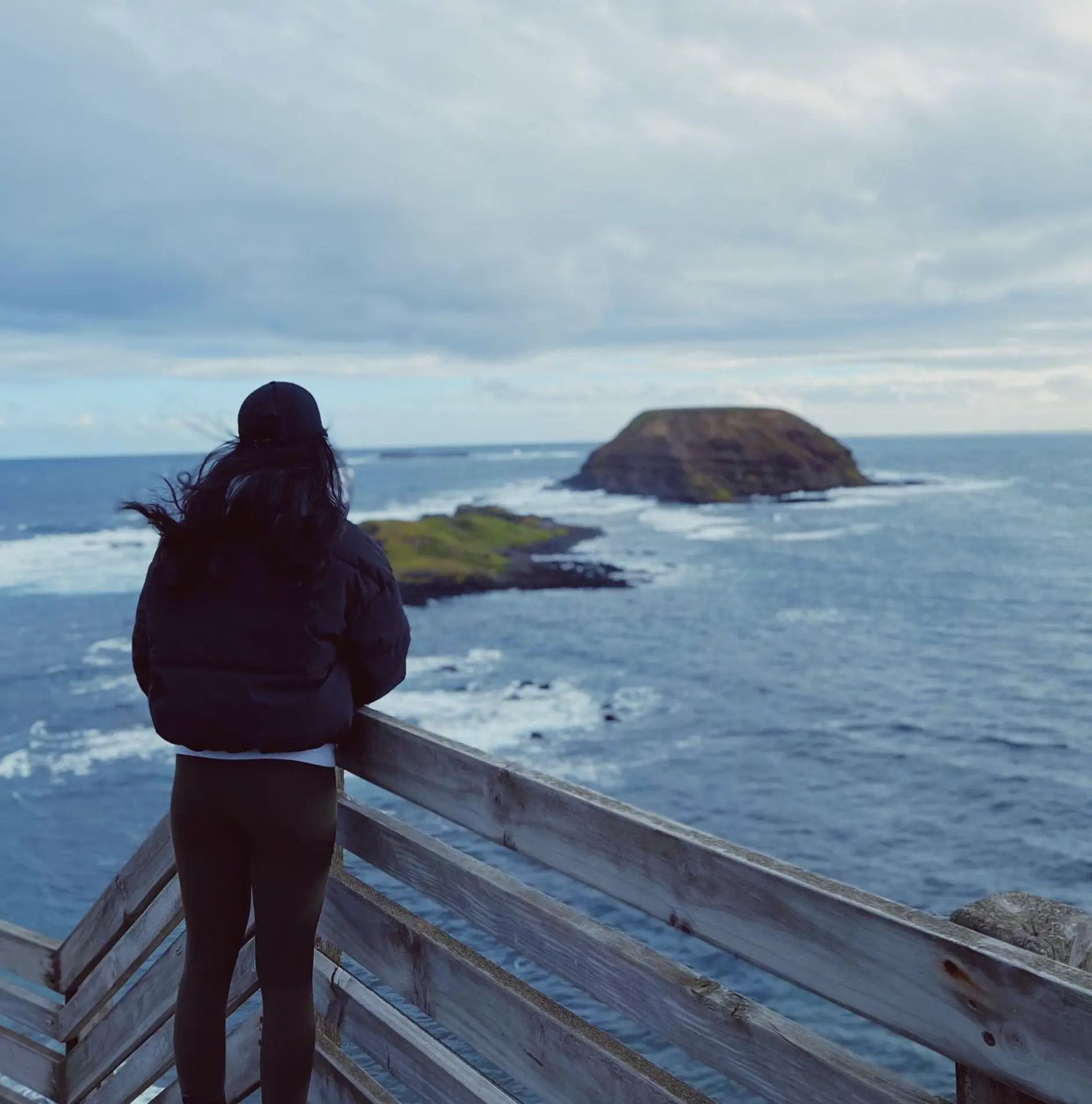
Is Phillip Island worth visiting in winter? – a fair question to ask? Sure is – most folks usually associate the place with sweltering summer days, beach umbrellas, sandcastles and those seemingly endless queues. Winter, on the other hand, is a whole different story. I’ve been running tours and exploring the Bass Coast for ages, and the cold weather has a certain charm to it – fewer crowds, more laid-back wildlife encounters, and a sombre moodiness by the coast that’ll just have you hanging out by the fire watching the clouds drift over Cape Woolamai.
When you get to the island in July or August, you swap beach umbrellas for rugged up hiking and prime penguin watching at the Penguin Parade, and there’s a peace that only kicks in when the tourist buses are parked up. The summer school holiday chaos has dissipated, and ever wanted to see Phillip Island without the screaming hordes of tourists? Winter’s the time to see what the place is really like.
Contents
- 1 Cooler Months Give You Space To Enjoy The Island
- 2 What The Numbers Say About Winter Crowds
- 3 The Wildlife Encounters Turn Into Front-Row Experiences
- 4 The Penguin Parade Feels Entirely Different In The Cold
- 5 The Coastal Tracks Show Off Their Wild Side
- 6 Local Businesses Slow Down For Better Service
- 7 Rainy Days Aren’t A Write-Off
- 8 The Island, Without The Island Price Tag
- 9 Accommodation Checklist For Cold-Weather Comfort
- 10 Driving, Weather, And Practical Cold-Season Realities
- 11 Sample Day Plan That Actually Works
- 12 FAQ
Cooler Months Give You Space To Enjoy The Island
Winter strips away the noise – literally. You get less crowded tracks, shorter queues, and locals who can actually have a chat instead of trying to keep up with the summer madness. It’s the way I like to introduce mates to the island – so they can actually take it all in rather than rushing through.
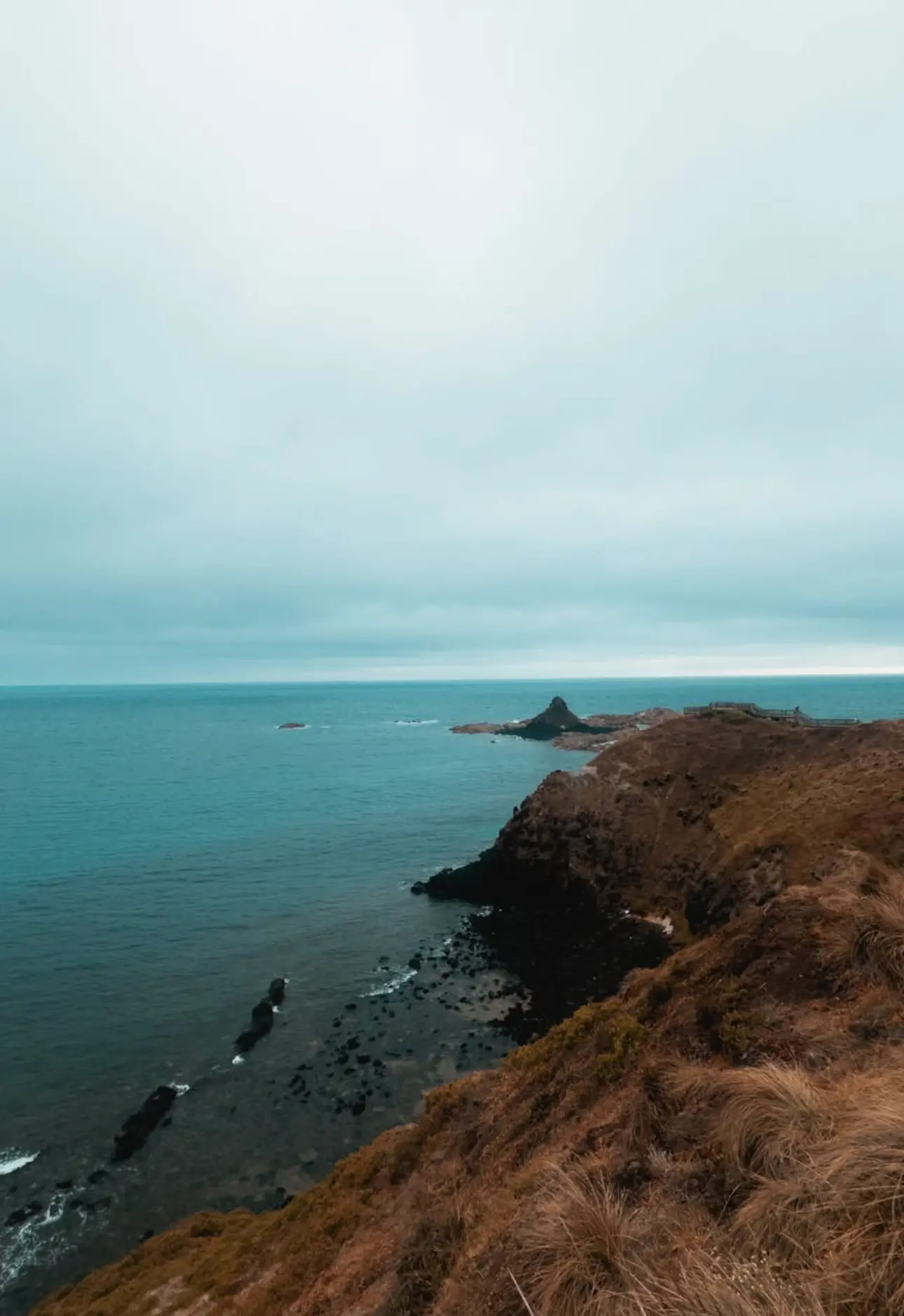
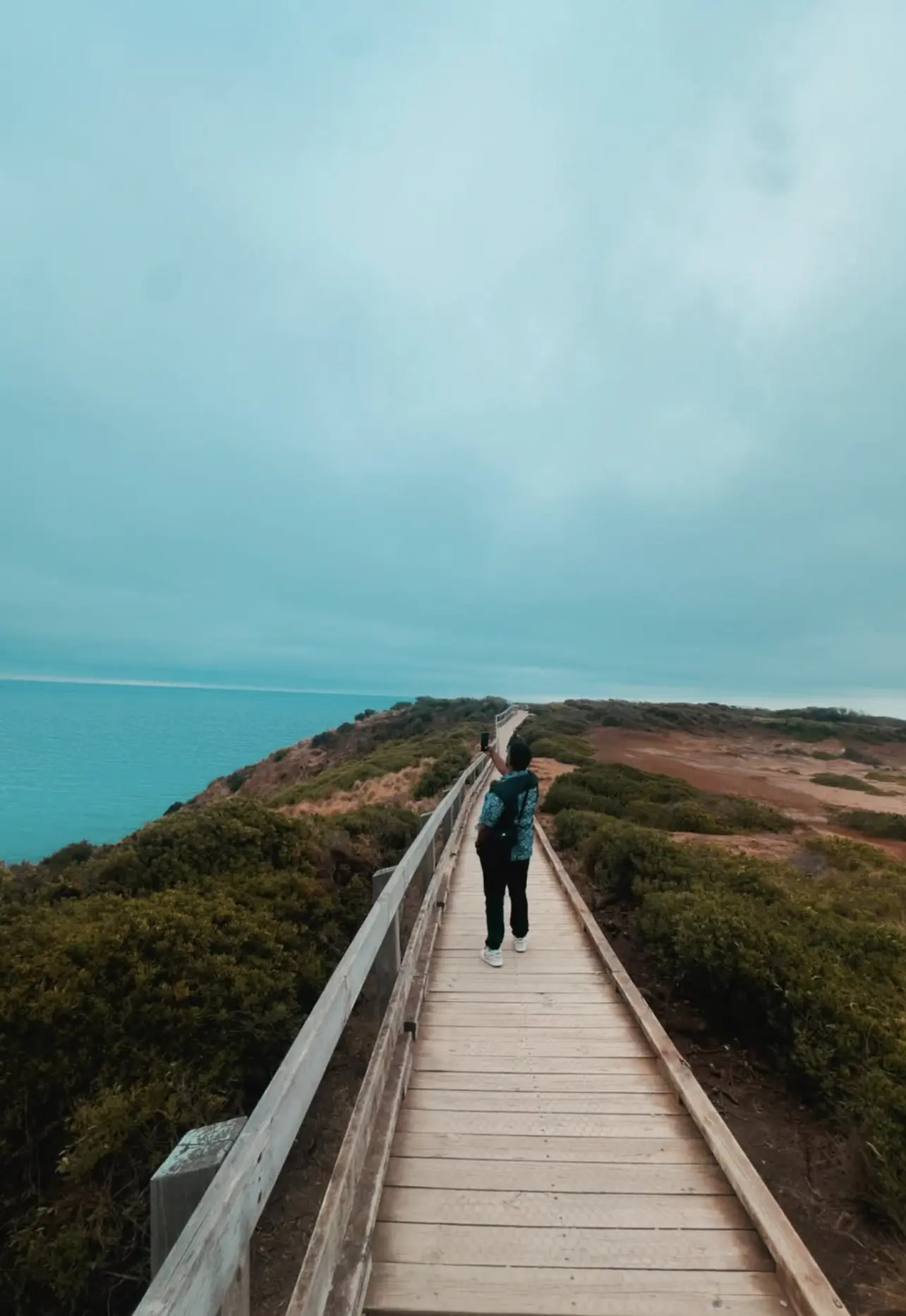
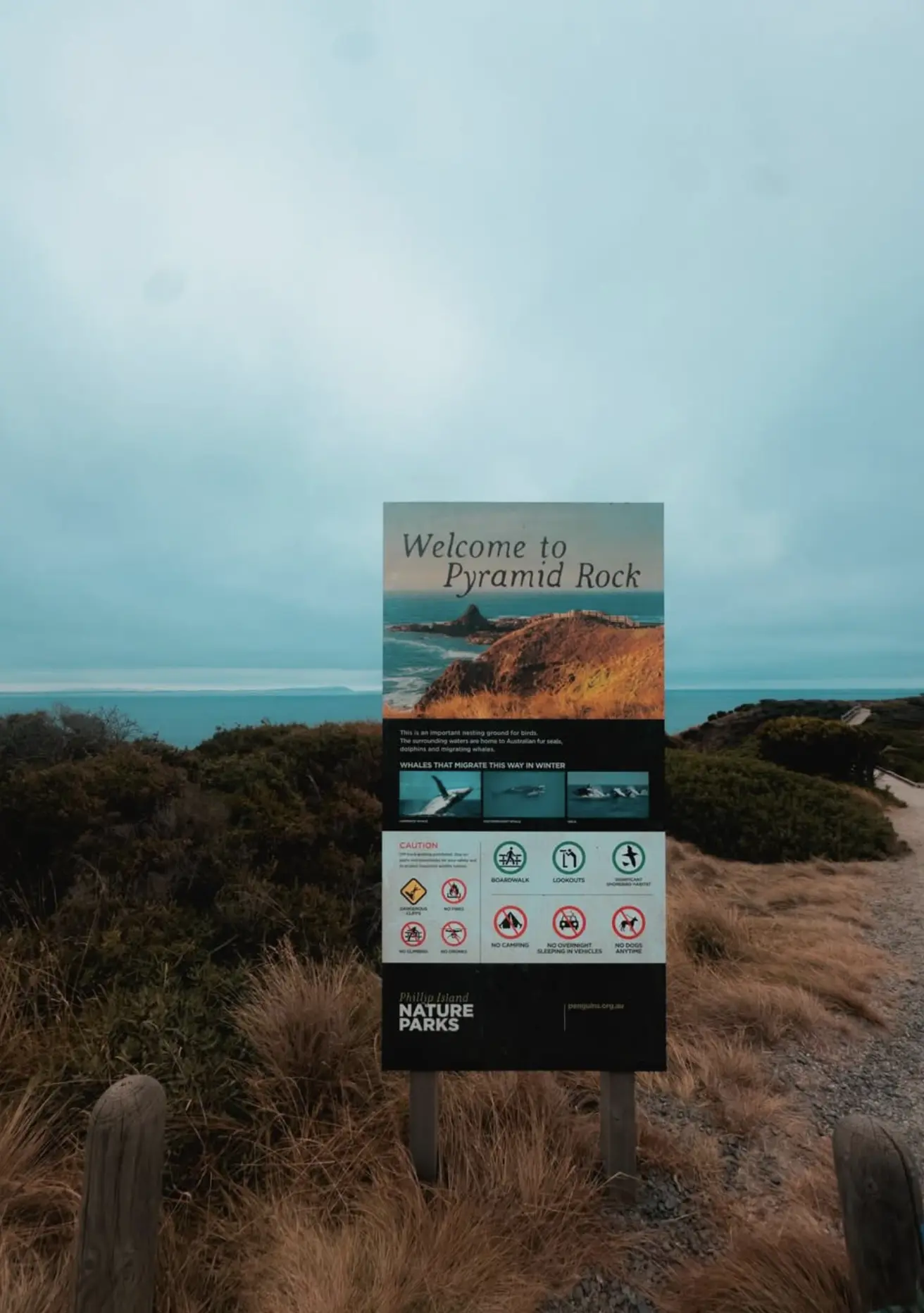
You can wander the cliffs at Pyramid Rock without dodging a score of snappers. You can take a gentle stroll along Smiths Beach and feel the surf pulsating like a heartbeat. And when the waves are up, Woolamai shows off in a way that makes you forget it’s freezing.
What The Numbers Say About Winter Crowds
The Parks Victoria and Phillip Island Nature Parks data show annual visitor numbers take a dive of between 35 to 50% over the winter months, compared to the peak summer times. That means easier parking, shorter waits at the wildlife attractions, and room to breathe on the coastal walking tracks.
| Season | Approx. Island Visitation | What It Means For Travellers |
|---|---|---|
| Summer (Dec–Feb) | Peak crowds | Long queues, tricky parking, busy lookouts |
| Autumn (Mar–May) | Moderate crowds | Balanced atmosphere, mild weather |
| Winter (Jun–Aug) | 35–50% lower | Space, silence, easier planning |
| Spring (Sep–Nov) | Rising crowds | More wildlife, busier weekends |
These figures fluctuate year to year, but the pattern stays steady: winter is when the island exhales.
The Wildlife Encounters Turn Into Front-Row Experiences
Winter might get all the best behaviour from critters – they get more lively, not quieter. I’ve sat on the boardwalk at The Nobbies on a winter day and seen fur seals acting like they’re on a break from work because everyone’s too busy to notice. You’ll spot Little Penguins, roos, wallabies and all sorts of seabirds just by looking – no binoculars needed – and the coastal roos start strolling onto the tracks.
And the mozzies, well, fewer of them are always a good thing.
The Penguin Parade Feels Entirely Different In The Cold
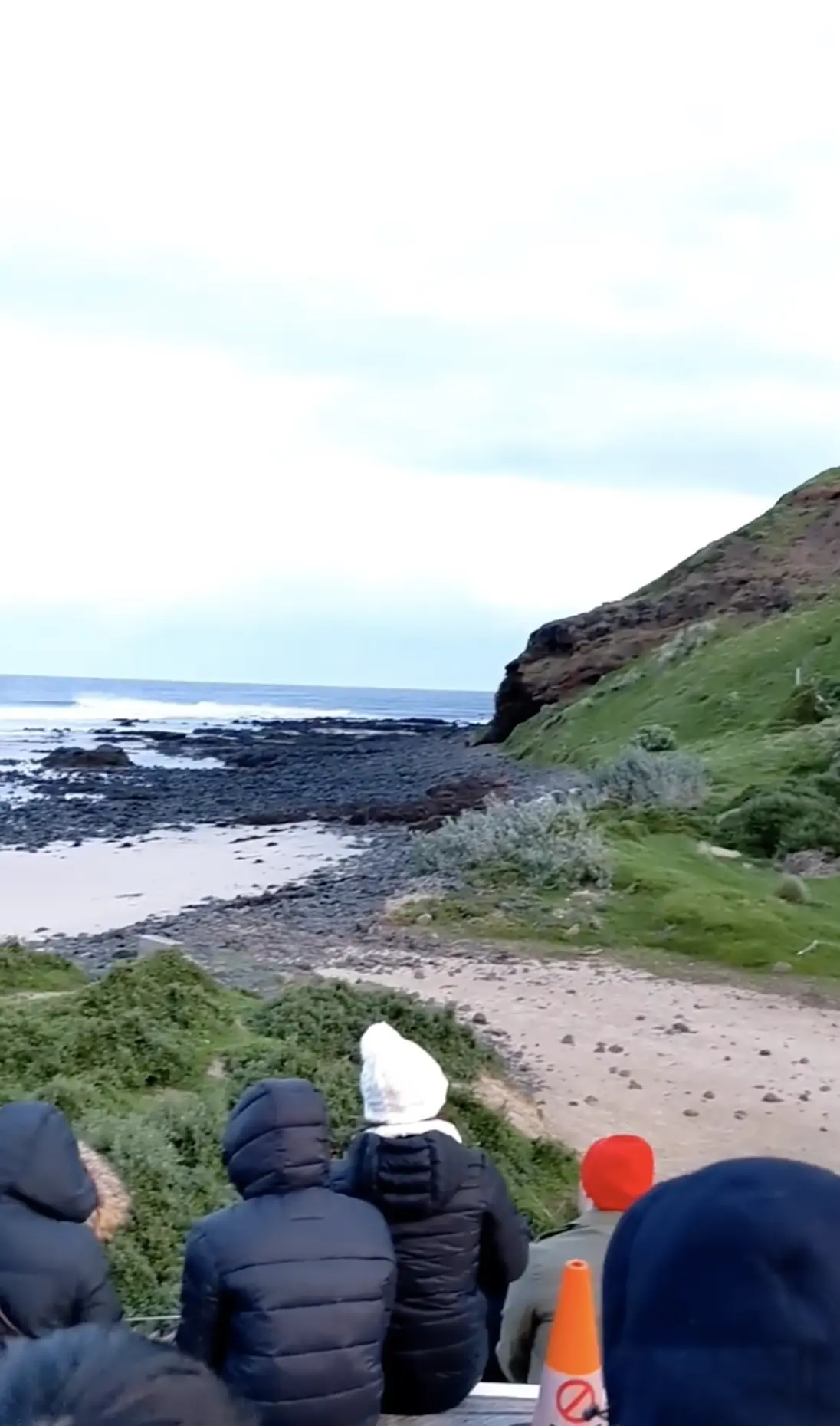
Daylight hours are shorter now, so the parade starts earlier – perfect if you’re travelling with the kids or don’t want a 3 am drive home. And with fewer people squished in the seats, you can actually hear the penguins themselves making their way home to Summerland Beach during the Phillip Island Penguin Parade.
Some years of guiding have taught me that the Bass Strait wind can be a real bugger – so just layer up, then add another. You will need it.
The Coastal Tracks Show Off Their Wild Side
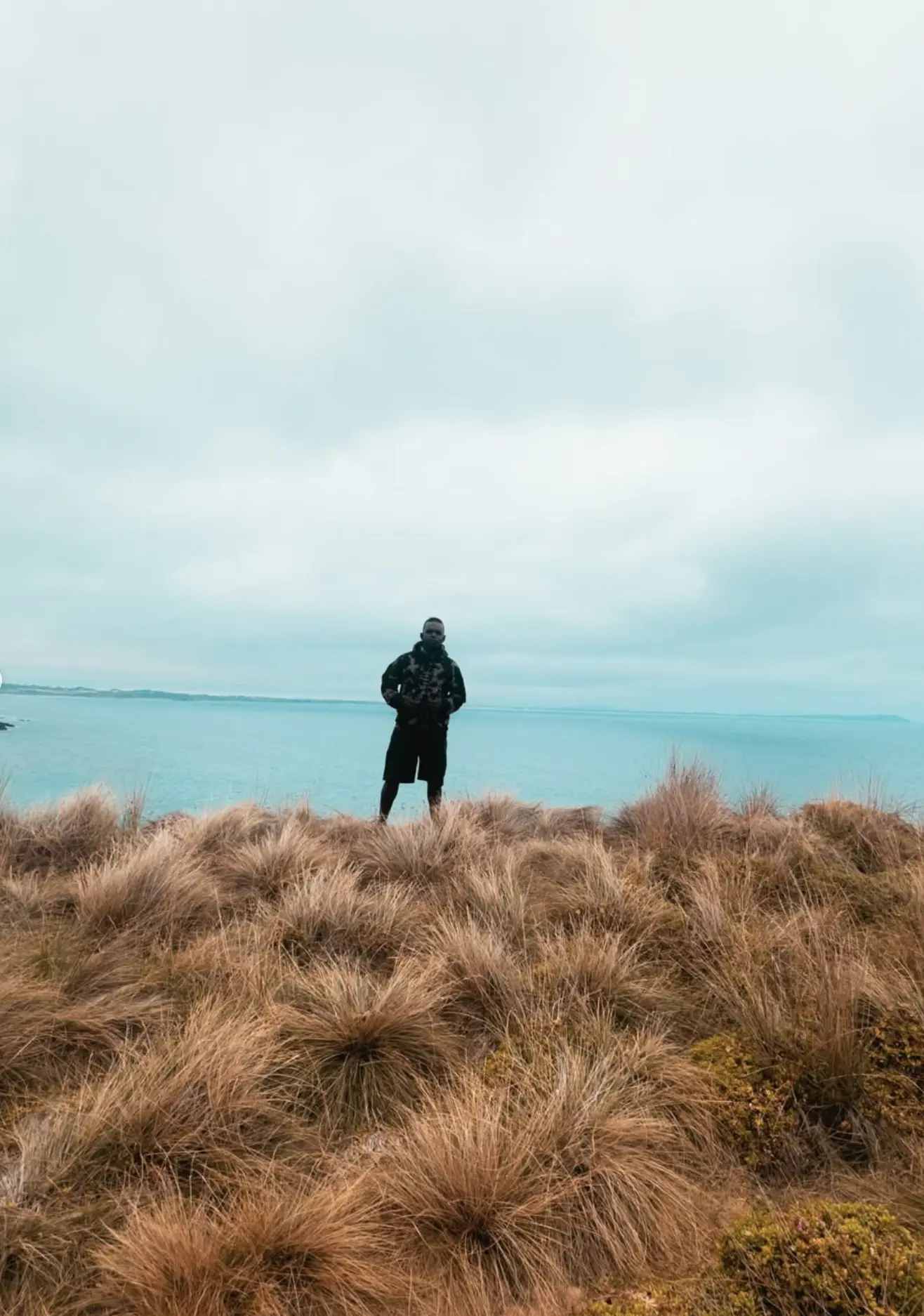
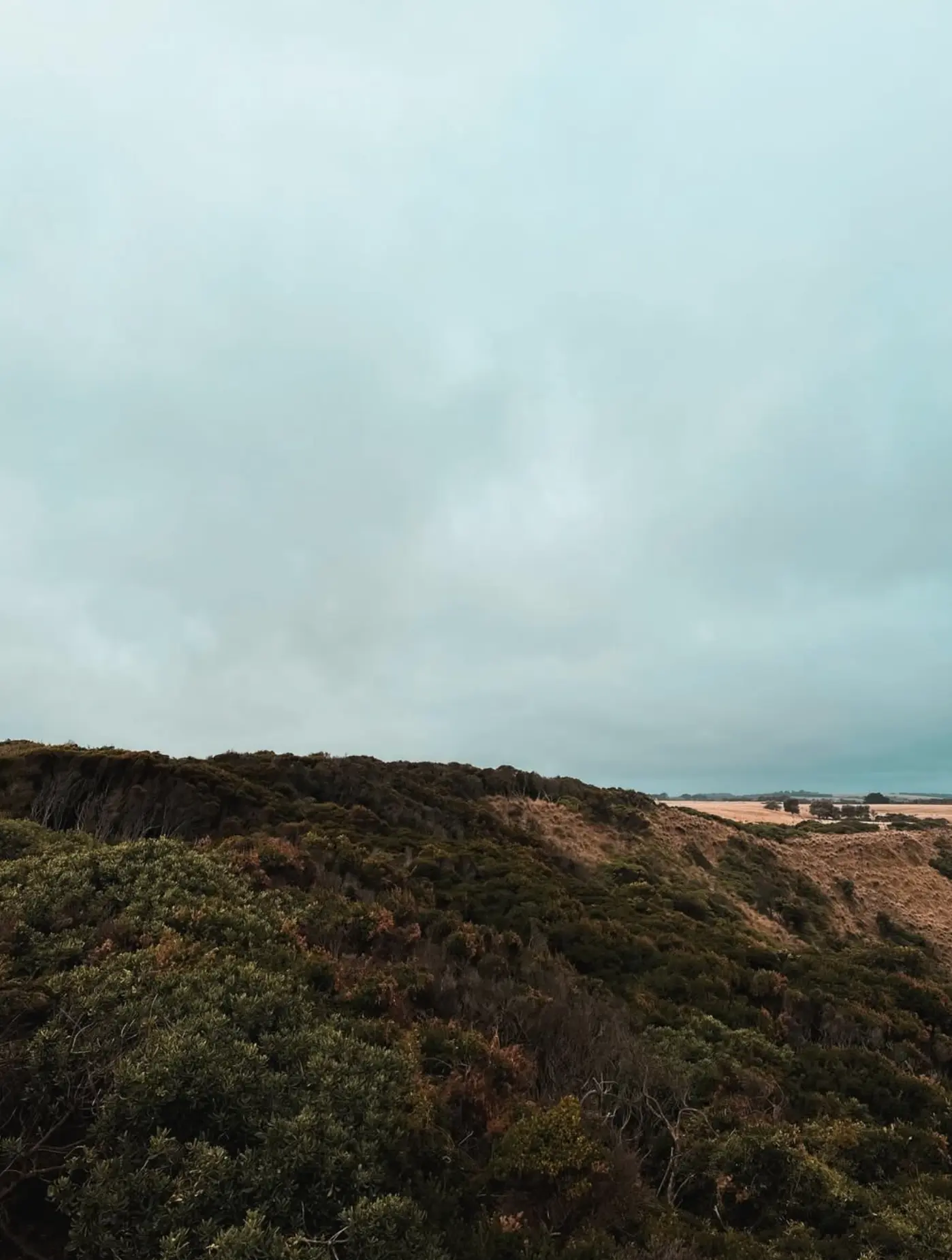
Winter is a perfect time for a good, long ramble without sweating to death in your jumper. The cliffs get drenched in salt spray, the ocean goes all dramatic, and the tracks stay firm underfoot.
Cape Woolamai’s Trails Hit Their Stride
First time I walked Woolamai in mid July, the wind just slapped me in the face, but the views – the moody skies, the thundering waves, the granite looking all wet and wet – it was all worth it. Winter just feels right for this part of the island – summer’s gone, and the Pinnacles look even more impressive in the stormy weather, you get better looks at the wildlife, and the whole walk feels brand new.
Local Businesses Slow Down For Better Service
There’s a secret perk to winter – the service in the cafes, wineries and cellar doors – they all just work at a normal speed. You can actually have a proper chat with the barista at Phillip Island Winery without feeling like you’re holding up a line.
It’s surprising how many decent local recs you can get from locals in winter – they just have time to talk.
Rainy Days Aren’t A Write-Off
Winter brings its fair share of rain, but this island’s been built to handle it. You’ve got loads of places to go on a wet day in Cowes, the Antarctic Journey at the Nobbies Centre, the Koala Conservation Reserve, and loads of museums like Churchill Island Heritage Farm, where all you’ll see dripping is your gumboots and a bit of nostalgia.
The Island, Without The Island Price Tag
Winter – it’s a rare occurrence, but good weather and open rooms for grabs, all in one package—no fighting for the last cabin and no awful dynamic pricing to give you the heebie-jeebies.
Lots of places – from family holiday parks to fancy boutique stays – quietly drop prices between late May and late August. And if you’re trying to sort out a family trip, or just happened to need a last-minute weekend getaway – well, winter’s your best bet.
Accommodation Checklist For Cold-Weather Comfort
- A heater that actually works – not as obvious as it sounds I know…
- Car parking close to the door, so you don’t have to do a death march on a cold morn.
- Good indoor social areas if you’re camping or braving the rain.
- A few decent power points for drying out your sodden gear after a long walk.
- A little kitchen, or at least a way to make a decent hot drink when you get back.
Winter is for the prepared.
Driving, Weather, And Practical Cold-Season Realities
The truth is, the weather can change like a cat in a cupboard. One minute it’s all calm and lovely, the next it’s like the whole world is out to get you and your hat is halfway to San Remo.
But, with a bit of planning, winter driving and the like is no big deal:
- Leave a bit more time for those coastal roads when the rain is coming down in sheets.
- Keep an eye out for wind warnings – the Bass Coast can get some pretty fierce gusts when the weather is looking up.
- Bring a waterproof bag for the bits of the walk that’ll get you soaked.
- Keep a thermos handy for when you get back to the car and want to warm up.
- And for goodness sake, get some good quality warm gear – island wind will cut through rubbish like paper.
Winter’s got plenty to offer if you like a bit of the wild side.
Sample Day Plan That Actually Works
This is a simple day out, I tell visitors to take a no-frills winter itinerary:
A One-Day Winter Circuit
- Morning – Take a walk along Cape Woolamai (stick to the shorter track if the weather’s looking dodgy).
- Later Morning – Grab a warm cup of something in San Remo and time it right to catch the pelicans getting fed.
- Lunch – Cowes has got all the right gear for a hearty pub lunch, or grab some fresh bakery goods to keep you going.
- Afternoon – The boardwalks out at The Nobbies are gorgeous, and you never know when you’re gonna spot a seal or three near Seal Rocks – and if the rain rolls in, the Antarctic Journey is a great place to hide out.
- Evening – Little Penguins are always earlier than the summer months, which makes it perfect for young families.
It’s a day that helps you balance keeping active, seeing some wildlife and having a place to duck into when the weather starts to get a bit wild.
When you arrive in July or August, you’re trading in beach umbrellas for some rugged coastal trails, the best Penguin Parade times of the year and a peace that only comes when the crowds are gone. Some people even report that the cold-season quiet was actually the highlight of their whole trip even though they were on a standard Phillip Island day tour package by Wildlife Tours.
FAQ
Is it too cold to get out and about?
Nope – the average winter high is only about 13-14 degrees Celsius – so with the right gear and layers you’ll be fine for a walk or some wildlife spotting.
Is the Penguin Parade still open in the winter?
Yep, and because the days are shorter, you get earlier and more family-friendly viewing times at Summerland Beach.
Will the Koala Conservation Centre and Churchill Island be open?
Absolutely – winter’s a great time to check out the Koala Conservation Centre and the peaceful grounds of Churchill Island.
Does it rain all the time in winter?
Rain is on the cards a bit, but it’s usually short and sharp – so you can still get out and enjoy some of the coastal walks, encounter some wildlife and get to The Nobbies without getting soaked.
Does winter mean cheaper accommodation?
Generally, yes – with fewer people coming out to visit in the off-season, a lot of places do lower their rates between June and August.
 James Smith
 James Smith