
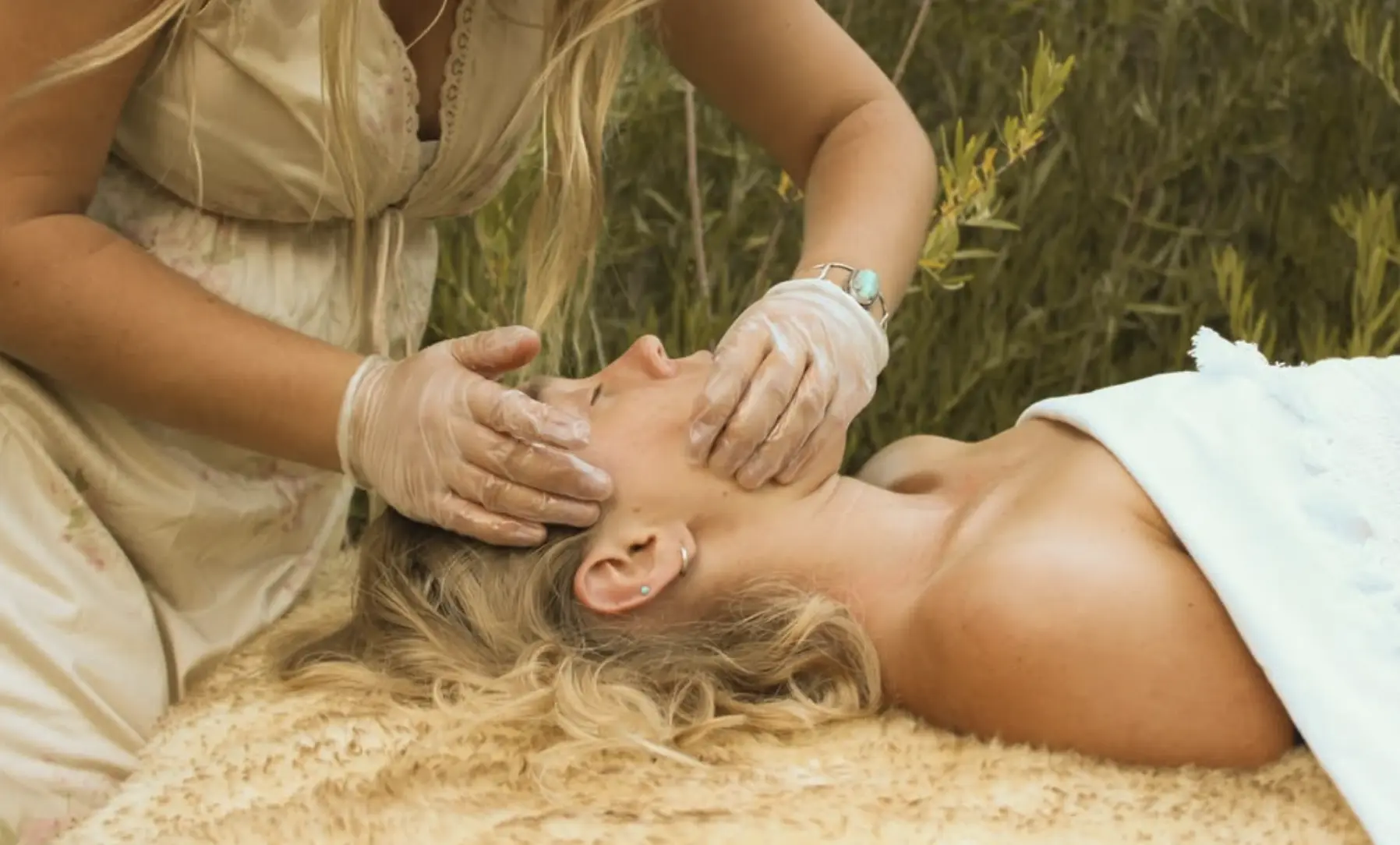
“Buccal massage vs. masseter botox: which is better for clenching?” is a question I get asked all the time during consultations at The Facial Hub. Most of my clients come in with a tight, heavy feeling in the jaw or complain of jaw pain or teeth grinding, and they’ve typically done their research on both options but are still unsure.
I deal with clients like this all day, every day in Brisbane, and I know how stress, posture and even dehydration can contribute to all those clenching patterns. At studio, we look at this from every angle – whether that’s through our facial treatments at The Facial Hub in Brisbane, manual work that’s really targeted, or more advanced options.
Let’s break this down together, then.
Contents
- 1 Understanding Jaw Clenching And Why It Happens
- 2 How Hands-On Therapy Releases Deep Jaw Tension
- 3 How Injectables Reduce Muscle Overactivity
- 4 Comparing Outcomes, Cost, and Long-Term Effects
- 5 Choosing The Right Approach For Your Needs
- 6 What To Expect Before And After Each Treatment
- 7 What’s Changing In 2026 (And Why It Matters)
- 8 My Honest Recommendation (No Marketing Spin)
- 9 Final Thoughts And Gentle CTA
- 10 FAQ
Understanding Jaw Clenching And Why It Happens
Clenching is rarely just a habit. It’s a sign that your whole system is just overwhelmed.
When assessing clients, I’m on the lookout for:
- Overactive masseter muscle and temporalis muscle
- Tight jaw muscles and pterygoid muscles
- Limited movement in the temporomandibular joint
- Cervical tension and stress-related symptoms
Both awake and sleep bruxism can lead to TMJ disorders, which in turn affect jaw joint mobility, bite alignment and overall comfort.
Here’s what matters most to me:
Clenching is a full-body issue – it’s not just about the muscles in your jaw. It’s also about how you breathe, the position of your tongue, and the way your muscles work together.
How Hands-On Therapy Releases Deep Jaw Tension
This is where I see some of my best results – and they’re the kind that really last.
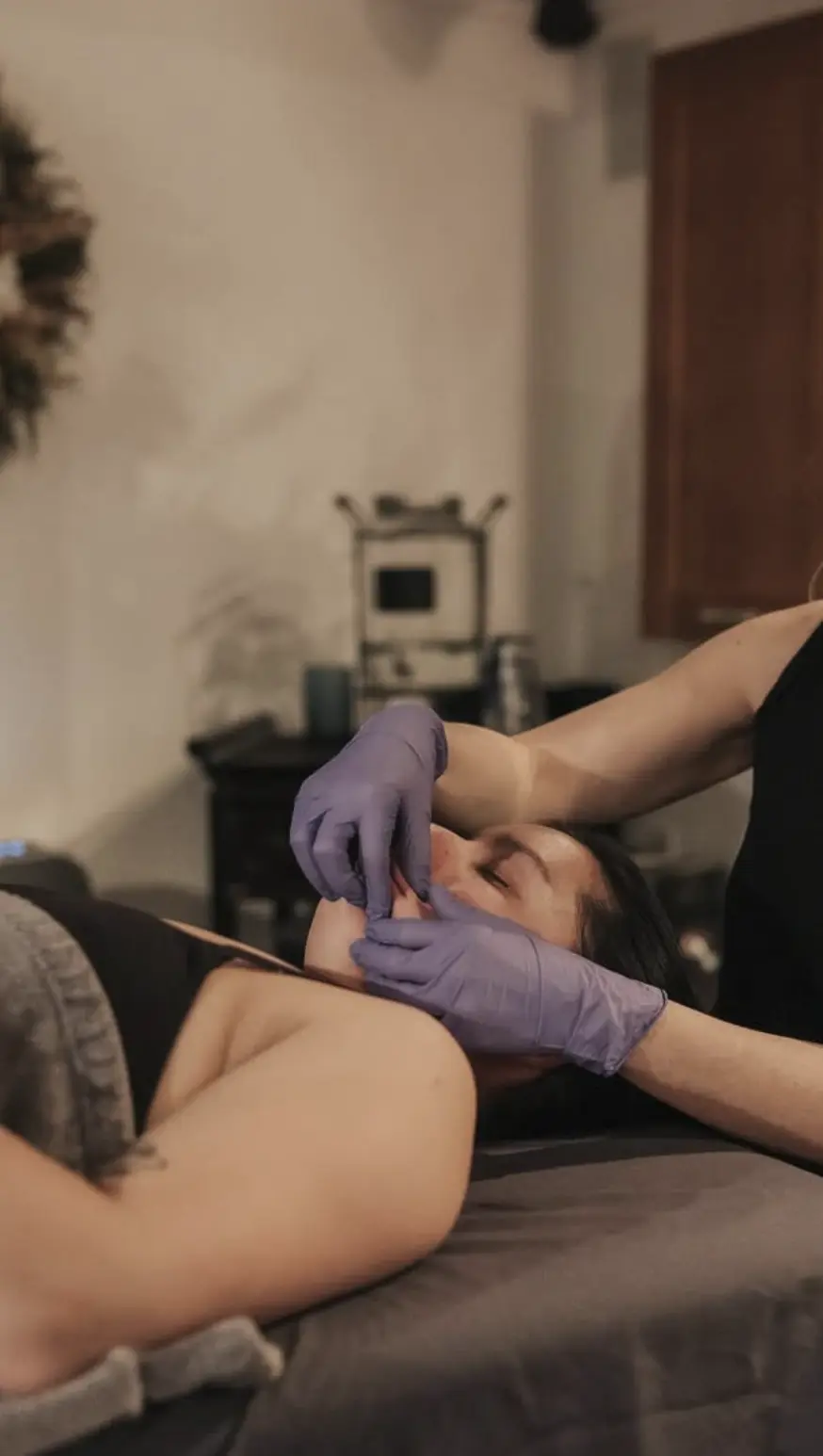
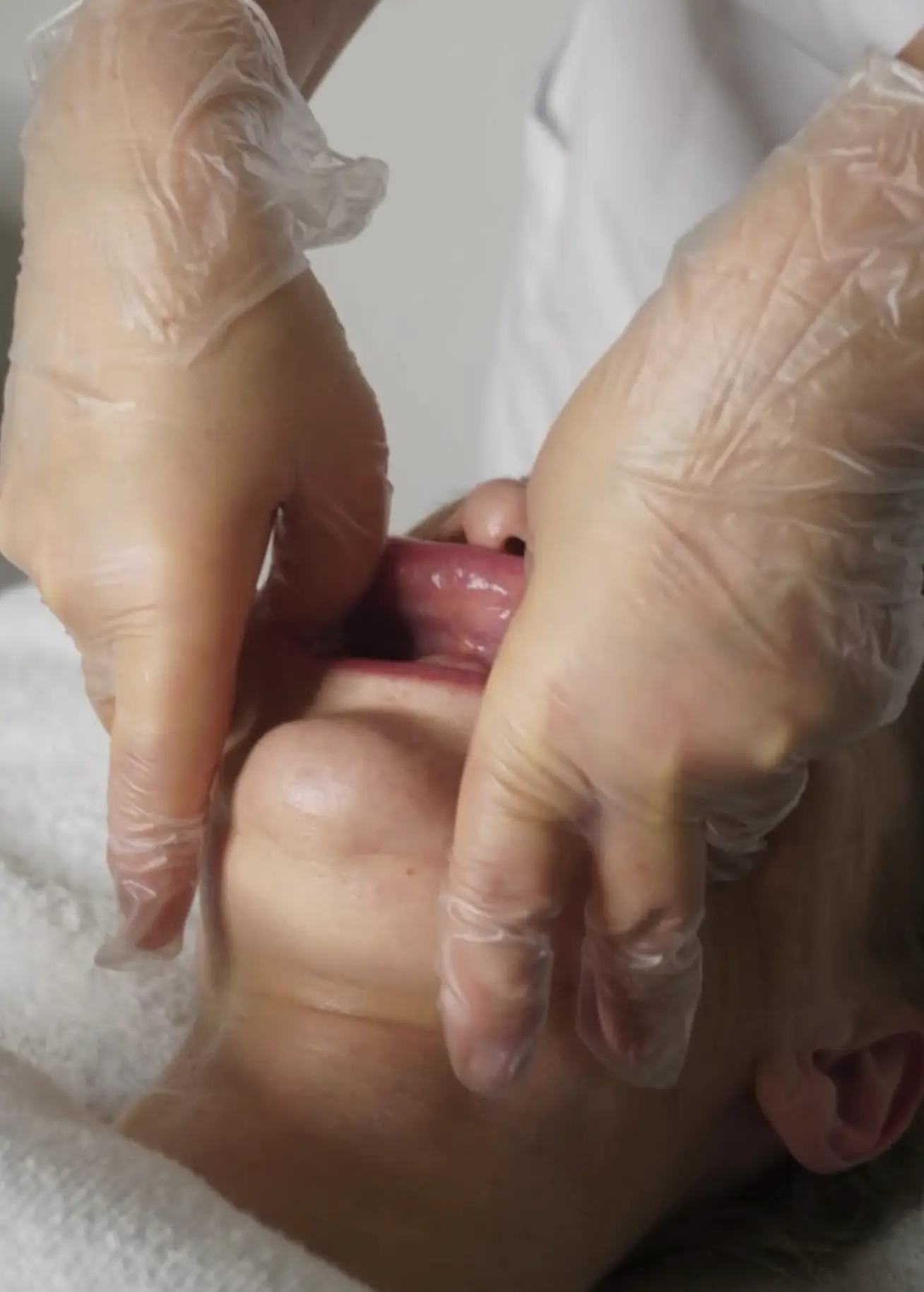
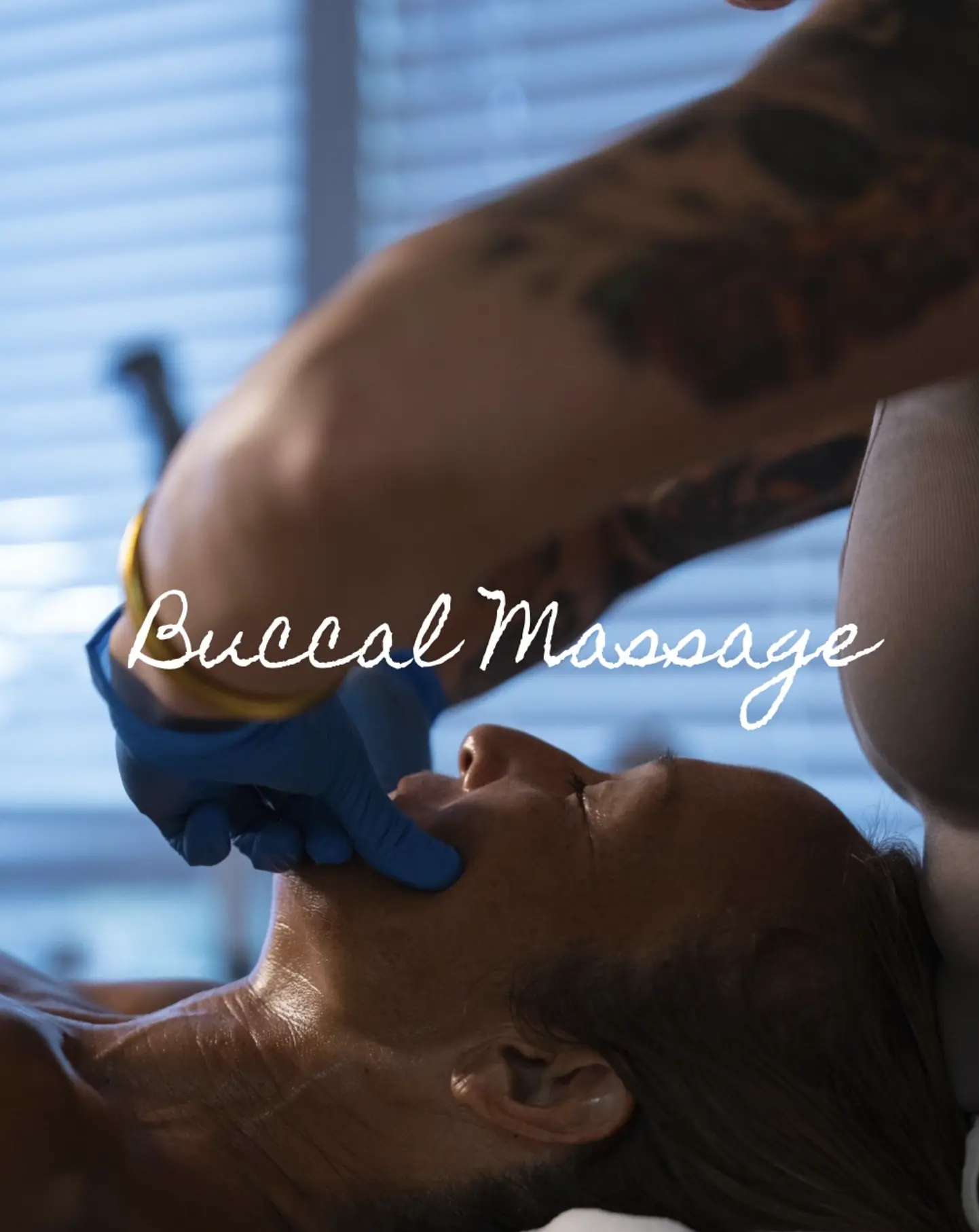
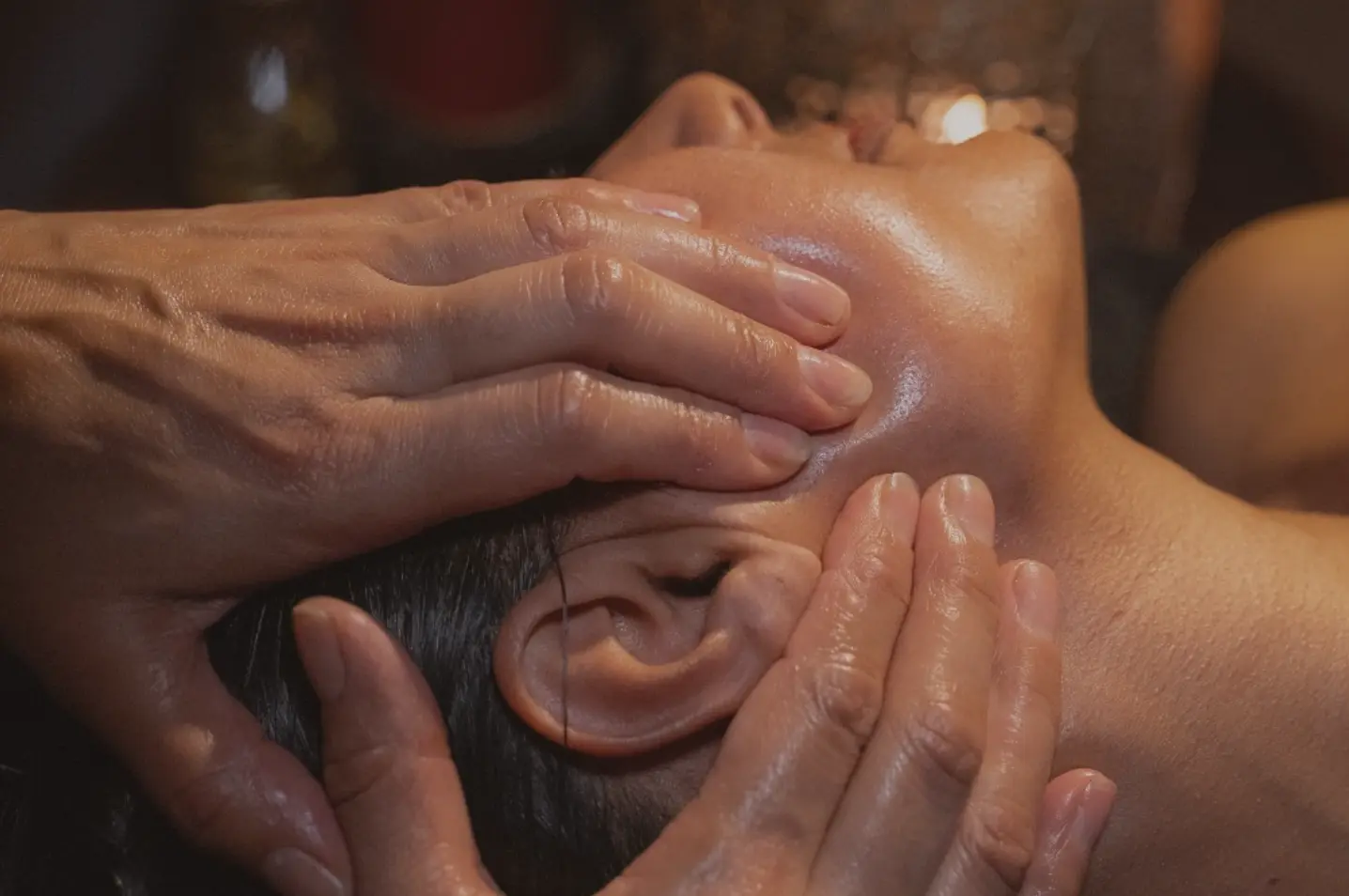
Buccal massage in Brisbane is a highly specialised intraoral massage technique. At The Facial Hub, every buccal massage we perform in Brisbane adheres to strict hygiene protocols and is informed by a deep understanding of facial anatomy.
When we do a buccal massage, we’ll target:
- Masseter muscles and cheek muscles
- Temporalis muscles and deep fascia
- Lateral pterygoid muscles and other deep structures
Why Clients Love It
- It releases trigger points and reduces muscle pain
- It improves lymphatic flow and boosts circulation
- It enhances facial symmetry and natural contouring
- It supports skin elasticity and facial rejuvenation
We often combine buccal massage at The Facial Hub in Brisbane with LED therapy to help calm the nervous system and restore muscle balance.
What It Feels Like
Some areas might feel a bit tender – especially where tension is built up. But the release is immediate, and clients often notice a lighter jaw and reduced facial soreness.
What I See In Clinic
When clients commit to buccal massage, I see strong results:
- Reduced jaw pain
- Better sleep quality
- Less reliance on bite guards and dental splints
How Injectables Reduce Muscle Overactivity
Masseter botox works by targeting the neuromuscular connection in the masseter muscle – effectively reducing muscle contraction strength.
What Happens After Treatment
- Your muscle gradually relaxes over a few weeks
- The force of grinding and clenching decreases
- The lower face slims down slightly
Where It Helps Most
- Chronic jaw problems
- Severe muscle pain
- TMJ disorders
Studies using visual analogue scales show significant pain reduction in patients with TMD after treatment.
Important Considerations
- It’s not a substitute for stress management
- It doesn’t improve circulation or lymphatic flow
- Requires repeat treatments to maintain results
This is a powerful tool – but not a complete solution on its own.
Comparing Outcomes, Cost, and Long-Term Effects
| Feature | Buccal Massage | Masseter Botox |
|---|---|---|
| Approach | Manual therapy, myofascial release | Neuromuscular blocking |
| Muscles Targeted | Masseter, temporalis, and pterygoid muscles | Primarily the masseter muscle |
| Best For | Mild–moderate clenching | Moderate–severe bruxism |
| Results Timing | Immediate | 2–6 weeks |
| Longevity | Builds over time | 3–6 months |
| Facial Movement | Fully natural | Slight reduction possible |
| Additional Benefits | Lymphatic drainage, skin elasticity, and facial contouring | Jaw slimming |
| Cost (AU approx.) | $120–$250 | $400–$800 |
| Risk Level | Very low | Medical risks (rare) |
Choosing The Right Approach For Your Needs
If your clenching is linked to stress, posture, or your daily routine, starting with buccal massage is usually the best approach.
At The Facial Hub in Brisbane, we often pair buccal massage with LED therapy to help reset both the muscles and your nervous system.
If you’re dealing with chronic clenching or already using a dental splint, Masseter Botox can be more effective in reducing muscle overactivity.
For facial contouring, it’s about balance – buccal massage enhances natural movement, while injectables reduce muscle bulk.
More invasive procedures like buccal fat removal are usually a last resort for clenching issues.
What To Expect Before And After Each Treatment
Understanding timelines helps set the right expectations.
Manual Therapy Plan
- Frequency: Every 2-4 weeks
- Results: Immediate relief with gradual improvement
- Aftercare: Hydration, rest, and avoiding overuse
Regular facial treatments at The Facial Hub in Brisbane support long-term results.
Injectable Treatment Plan
- Results begin: 2-3 weeks
- Full effect: 4-6 weeks
- Maintenance: Every 4-6 months
Preparation Tips
- Avoid alcohol before treatment
- Stay hydrated
- Focus on stress management
Brisbane climate can worsen dehydration and muscle tension, making treatments like buccal massage at The Facial Hub in Brisbane especially beneficial.
What’s Changing In 2026 (And Why It Matters)
Clients are shifting toward treatments that provide real functional benefits, not just aesthetic changes.
Trends include:
- Manual therapy and physical therapy approaches
- Non-invasive rejuvenation
- Lymphatic system support
My Honest Recommendation (No Marketing Spin)
If you were sitting in my treatment room, I’d say:
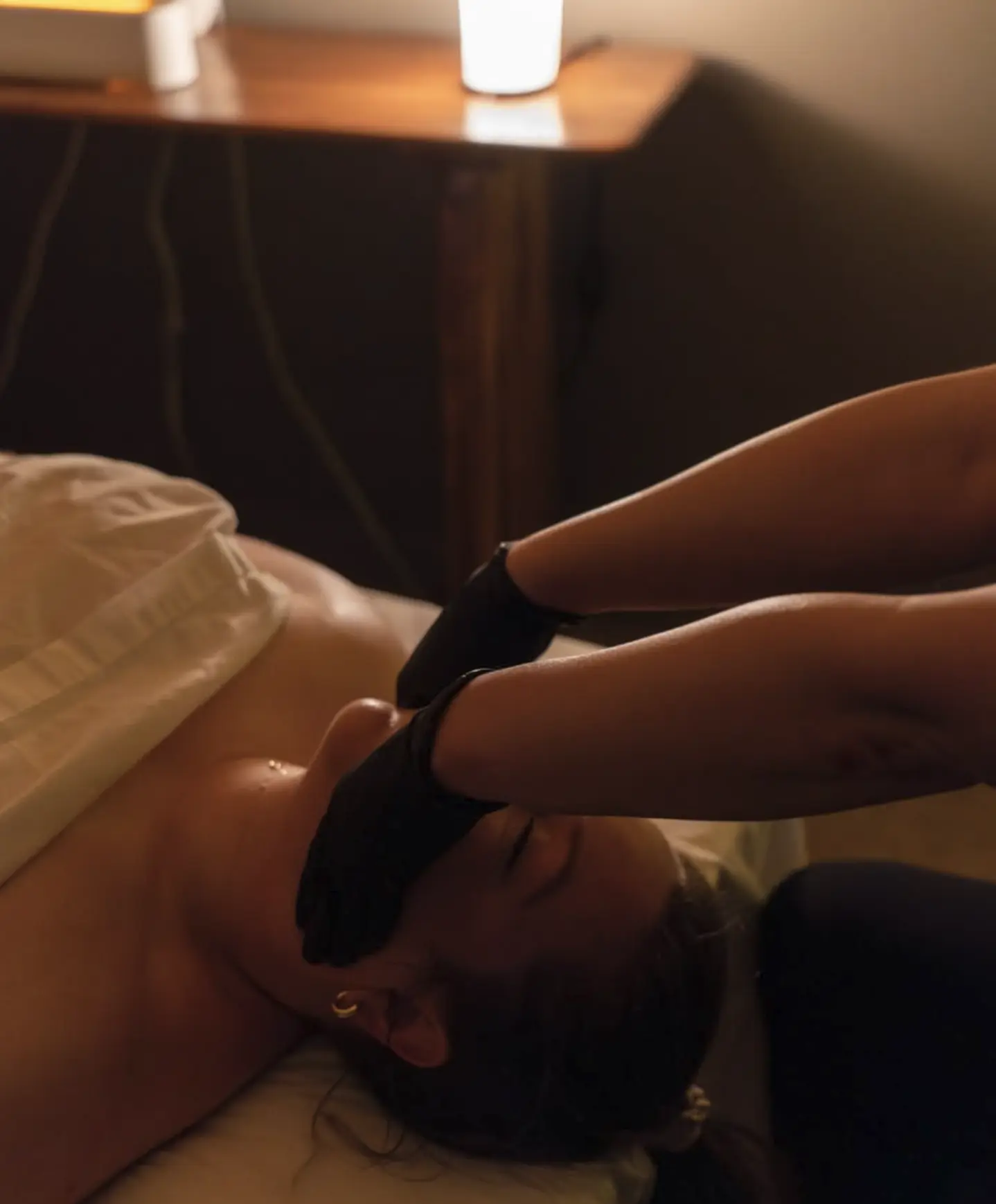
Start with buccal massage.
It allows us to assess muscle tension, movement patterns, and your overall facial function before considering more intensive treatments.
Because it’s not about just treating symptoms – it’s about understanding what’s actually going on.
Final Thoughts And Gentle CTA
Jaw clenching is your body asking for support, not punishment.
If you’re dealing with jaw pain or night grinding, there are better ways to manage it.
Not sure where to begin?
Come explore buccal massage at The Facial Hub in Brisbane, or try our personalised facial treatments – we’ll guide you through it in a relaxed, no-pressure way.
FAQ
Can manual facial therapy actually stop clenching?
Yes – especially if it’s stress-related. It works by releasing tight jaw muscles and restoring natural movement.
How long do the effects of injections last?
Typically 3–6 months, depending on muscle activity and metabolism.
Will my face look weird after treatment?
Manual therapy enhances natural contouring, while injectables may slightly slim the jawline.
Do I still need to use those pesky oral appliances?
Yes – bite guards or dental splints are often still necessary for protection.
How often do I need to go back for maintenance?
Manual therapy as needed; injectables every few months if required.
 James Smith