


How to handle paradoxical hypertrichosis in clients—is this covered in basic training? That’s a question you normally have to deal with when the unexpected happens in the treatment room – and boy, does it happen before you’re ready for it. I mean, if you’ve been in the business of laser hair removal or IPL treatments long enough, you’ll either have seen this happen already, or it’s inevitably going to come up at some point.
At Cosmetic Tattoo Studio Melbourne Face Figurati, we get clients walking in all the time because their IPL hair removal or laser session has resulted in hair growth rather than the expected reduction. It’s a pain for them – and a confronting situation for any therapist who hasn’t been taught what to do when it happens.
So let’s get real for a second: what exactly is paradoxical hypertrichosis, how it happens, how to handle it professionally, and whether your training really should have covered it.
Contents
- 1 Why Unexpected Hair Growth Can Happen After Treatments
- 2 What Most Beginner Courses Don’t Teach You
- 3 How I Manage This In Real Client Cases
- 4 What Progress Looks Like Over Time
- 5 How We Reduce The Risk Before Treatment Begins
- 6 Why Advanced Training Makes All The Difference
- 7 Is Treatment Still Worth It?
- 8 Final Thoughts
- 9 FAQ
Why Unexpected Hair Growth Can Happen After Treatments
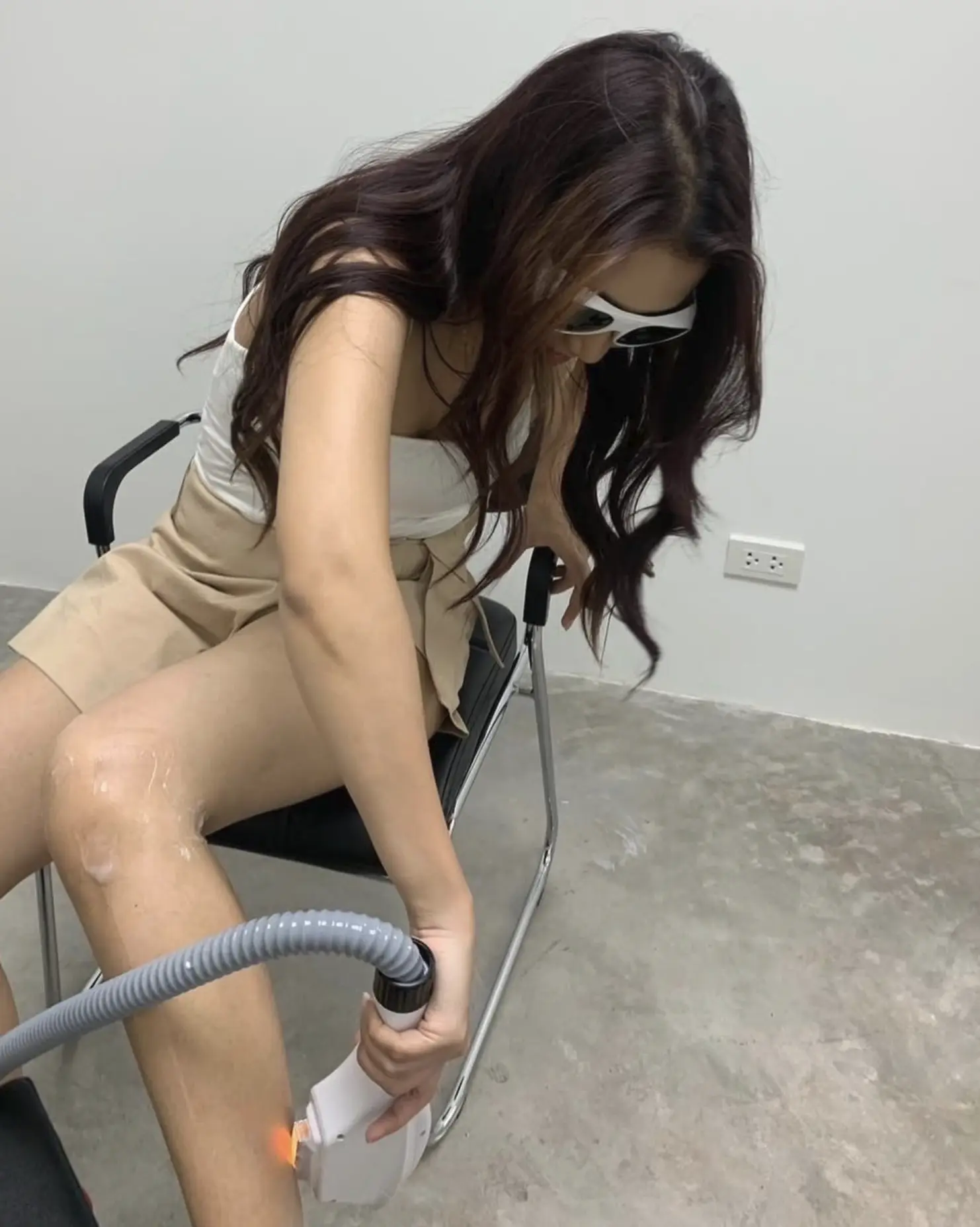
Paradoxical hypertrichosis is officially a documented reaction that can occur with laser hair removal and IPL hair reduction. What’s supposed to happen is that your laser or IPL treatment zaps the hair follicle, but for a small number of people, it somehow stimulates a bit more hair growth – especially for those with fine or vellus hair.
What’s Happening Under The Skin
Laser and IPL tech is based on targeting melanin – the idea being that it damages the hair follicle and makes it stop producing hair. But if the settings are off or the treatment parameters aren’t quite right for that client’s skin tone and skin type, the follicle doesn’t get destroyed; it actually gets stimulated.
In the real world, I’ve found that this tends to happen when:
- You’re being too cautious with your settings
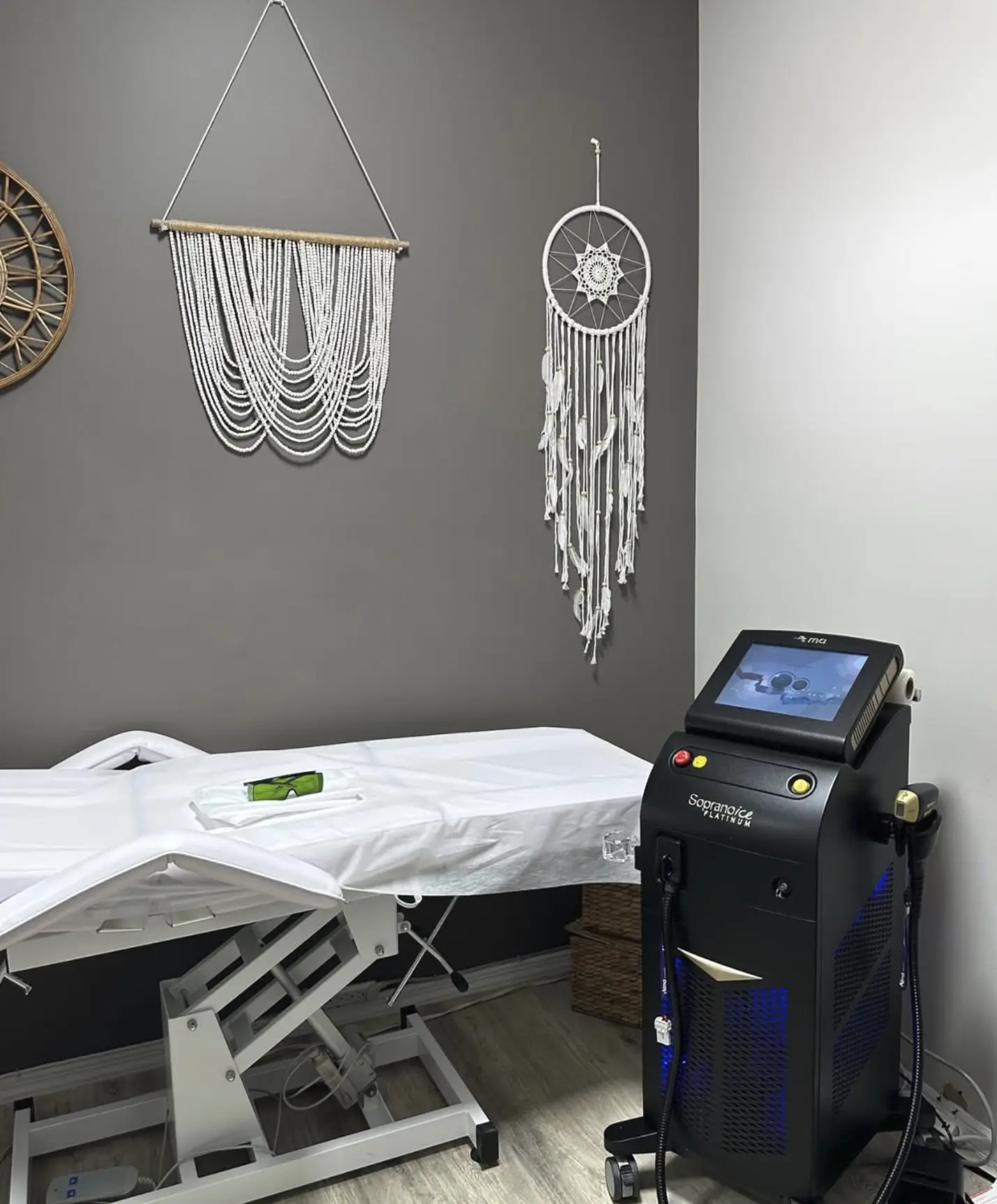
- You’re using the wrong device in certain areas
- You’re treating soft, fine hairs like they’re the thicker stuff – they just end up getting bigger and darker instead.
Instead of sorting out the problem, the treatment ends up making the finer hairs grow thicker and darker.
Where This Tends To Show Up
And what we find in the clinic is that certain areas of the body are much more prone to this, not because they’re just random areas, but because of hormones. These areas, like the jawline, upper lip, neck and shoulders, are really sensitive to hormonal changes, which makes them more likely to go haywire if your treatment approach is off.
What The Data Shows
| Factor | Insight |
|---|---|
| Estimated incidence | ~0.6% to 10% depending on the study |
| Higher risk groups | Darker skin types & hormonal influences |
| Common trigger | Low or incorrect treatment settings |
| Treatment type | More frequent with IPL treatments |
What Most Beginner Courses Don’t Teach You
I’ll be upfront – most courses on laser hair removal focus on performing treatments, but not what to do when things go off track.
And it shows up in real client work.
While the basics like identifying skin types, understanding hair growth patterns, and sticking to standard safety procedures are all well and good, most training stops there.
But what’s really missing is the deeper knowledge – how hormonal fluctuations affect results, how to tweak laser settings safely in tricky spots, and how to communicate with clients when something unexpected happens.
We see this all the time at Cosmetic Tattoo Studio Melbourne Face Figurati – clients saying, “No one told me this could happen.” And the real issue isn’t just the reaction itself, but that no one is prepared for it.

How I Manage This In Real Client Cases
Now let’s talk about real client cases, because it’s where experience really counts over theory.
Step 1: Take The Concern Seriously
If a client says:
“I’ve got more unwanted hair now…”
We sit down and take a closer look at:
- Whether there’s been any change in hair growth
- Density and the way the hair is spreading out
- How long has it been since their last session
It’s not something to just brush off as a minor complaint – it’s a valid cosmetic issue.
Step 2: Refine The Treatment Approach
Here’s where proper technique really comes into its own.
We might need to:
- Tweak the laser settings and energy levels to get a better response
- Switch from IPL to more targeted systems like Alexandrite laser or long-pulsed diode
- Get the treatment intervals right in line with the actual hair growth cycle
- Rebuild the overall treatment plan from the ground up
Step 3: Look Beyond The Surface
We also take a look at:
- Full medical history
- Presence of hormonal conditions
- Use of medications or supplements
Because more often than not, it’s the underlying issues that cause the issue, not the laser itself.

Step 4: Set Clear Expectations
We explain to the client:
- That this is a known reaction
- That improvement is possible
- That the long-term outcome really does depend on sticking to the treatment plan
No promises we can’t keep, just clear guidance.
What Progress Looks Like Over Time
Correcting this issue takes patience and consistency.
Typical Timeline
| Stage | What Happens |
|---|---|
| Weeks 1–4 | Hair may appear more visible |
| Months 2–4 | Adjusted treatments begin working |
| Months 4–8 | Gradual reduction in density |
| Ongoing | Maintenance may be required |
Switching clinics or stopping early often slows progress.
How We Reduce The Risk Before Treatment Begins
Prevention is obviously way easier than having to fix things later.
At Cosmetic Tattoo Studio Melbourne Face Figurati, we make sure the foundation is solid – and that means doing more than just a quick 5-minute chat with clients.
We really take the time to assess skin type, melanin levels, and the exact treatment area in question. We’ll also talk about medical history and any potential hormonal influences at play. Then we pick the best approach – not just ‘which machine do we have available’, but actually what will work best for that particular client.
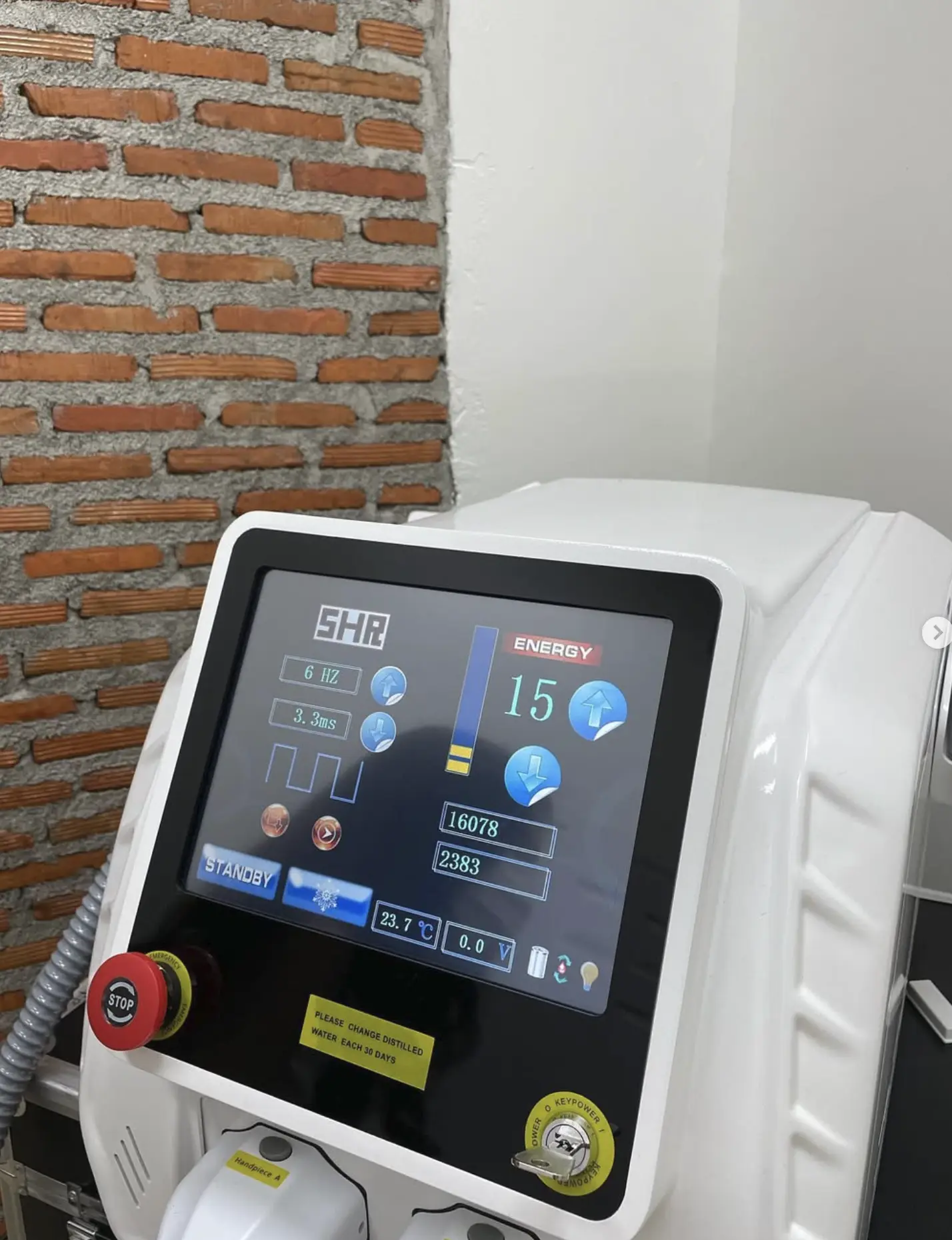
This really shows up with IPL hair reduction, where getting the settings wrong could actually cause more harm than an advanced laser system.
Why Advanced Training Makes All The Difference
If your laser hair removal course in Melbourne didn’t cover the potential complications, then technically it’s not a complete course.
The same goes for related education, like a tattoo removal course or advanced clinical training.
What Proper Education Should Include
- A deep understanding of how laser systems work
- Understanding how skin and hair follicles behave
- Managing those unexpected reactions that can pop up
- Figuring out a long-term plan that actually makes sense for each client
Which is why many professionals keep going back for more advanced laser hair removal courses – there’s always more to learn.
Is Treatment Still Worth It?
Well, the short answer is yes.
Paradoxical hypertrichosis is really just a manageable side effect, not a reason to give up on treatment entirely. Like any treatment, if you get the settings just right and take a thoughtful approach, then hair reduction can still be super effective.
It all comes down to experience, good planning and knowing how to adapt as you go along.
Final Thoughts
Paradoxical hypertrichosis isn’t a disaster – it’s a sign that we need to tweak something.
It tells us that our initial settings, timing or overall approach might not be quite right, so we need to adjust that. And part of what we do is working with real skin and real biology – not just some ideal textbook version.
At Cosmetic Tattoo Studio Melbourne Face Figurati, we treat every client as an individual because – let’s face it – no two cases are ever the same. If something doesn’t feel right after your treatment, don’t just ignore it.
FAQ
Can this reaction be reversed?
In most cases, yeah – with a bit of tweaking to the treatment settings and a bit more consistency, you can see an improvement.
Which method carries a higher risk?
IIPL-based treatments are more likely to cause this reaction than more targeted laser systems.
Who should be especially careful?
People with darker skin tones or underlying hormonal issues should get a proper check-up before starting treatment.
Is stopping sessions the best option?
Not always – usually working out a new approach that feels right is a better move than just stopping completely.
What reduces the risk from the start?
Having a proper consultation, choosing the right device for the job, and developing a treatment plan tailored specifically to the client make all the difference.
 James Smith