

How to treat ‘Barrier Burnout’ after a bad chemical peel is one of those super common (& pretty infuriating) concerns I see all the time in the treatment room – especially when we’ve pushed skin a bit too hard & fast with some of the stronger acid exfoliants out there (I’m talking about glycolic acid & salicylic acid). If your skin is feeling super tight, stinging all over, getting reactive, or just suddenly doesn’t look or feel like your own skin anymore, don’t worry – you’re not alone. And the good news is that, with the right approach, it can be fixed.
At The Facial Hub, the way we approach things in our facial clinic in Brisbane is all about simplicity – we’re not about quick fixes, we focus on calming the skin down & rebuilding it bit by bit. I’ve seen loads of clients come in after they’ve had really aggressive peels, or after they’ve used vitamin C serums at the wrong time, or after they’ve layered one active ingredient on top of another without realising the damage it can cause. And don’t even get me started on how tough it is to recover in a place like Brisbane with its crazy humidity & UV levels – BUT, with the right support, your skin’s natural defences are actually a lot more resilient than you think.
Let’s take a look at what actually happens when your skin gets over-processed.
Contents
- 1 What Happens When Your Skin Is Over-Processed
- 2 The First 72 Hours: Stabilising And Protecting Your Skin
- 3 Supportive Ingredients That Encourage Repair
- 4 Understanding The Healing Timeline
- 5 When Professional Support Makes A Difference
- 6 Why Brisbane Conditions Can Slow Recovery
- 7 2026 Skincare Insight: Why Barrier Health Is The Focus Now
- 8 Real Client Recovery Story
- 9 Knowing When To Get Expert Advice
- 10 Final Thoughts: A Smarter Way To Support Your Skin
- 11 FAQ
- 11.1 Is a peel really going to leave my skin broken forever?
- 11.2 When can I resume using all my active skincare products?
- 11.3 Why on earth is my skin feeling both oily and dry at the same time?
- 11.4 Do I really have to wear sunscreen every single day when I’m recovering?
- 11.5 Do professional treatments really help speed things up?
What Happens When Your Skin Is Over-Processed
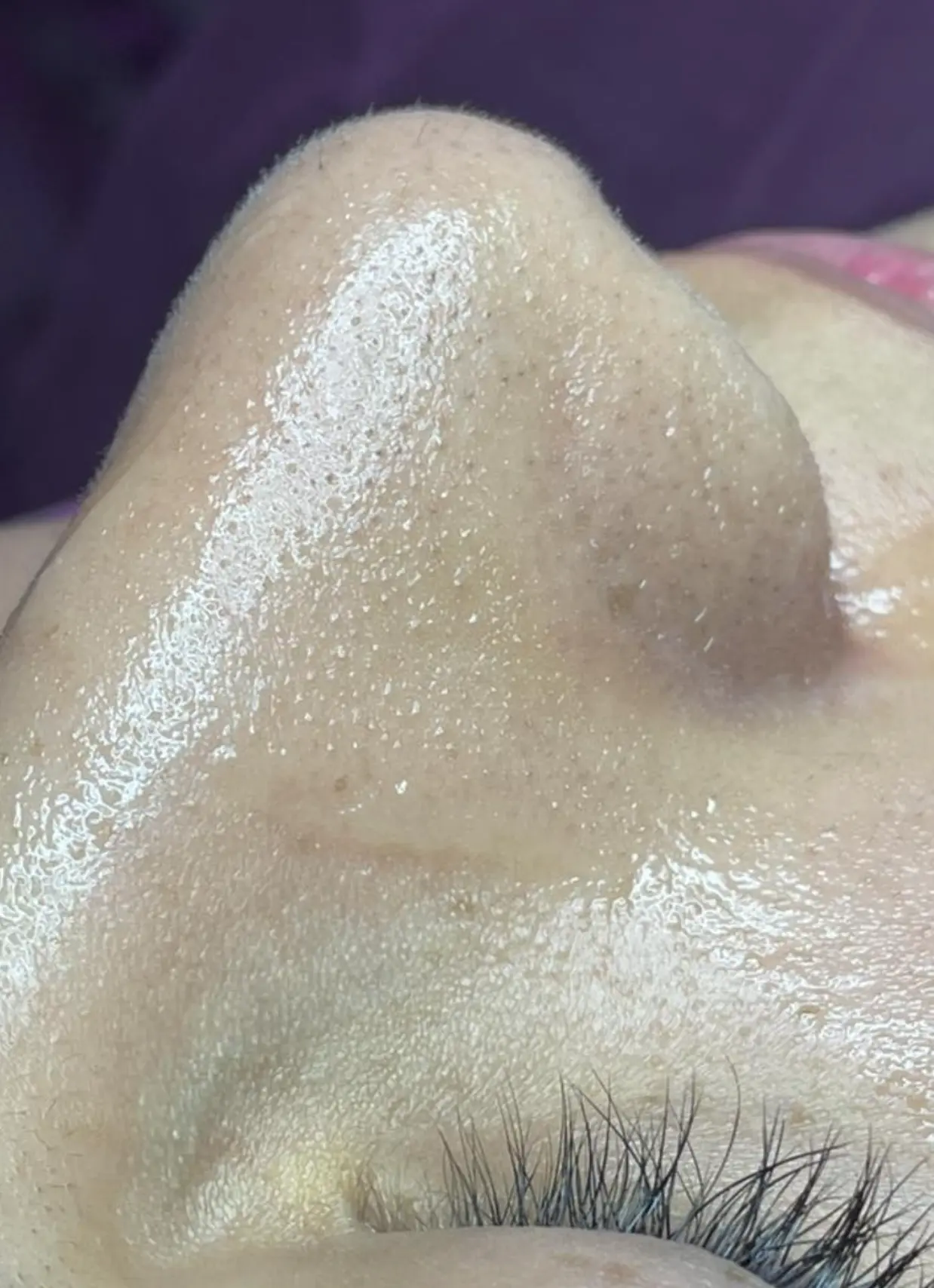
When I talk about barrier burnout in the clinic, what I mean is your skin’s natural barrier function is broken – that’s the outer layer that’s supposed to keep your skin hydrated & protect it from all the environmental stuff that can trigger problems.
After a harsh chemical exfoliator (whether it’s an alpha-hydroxy acid like glycolic acid, or a beta-hydroxy acid like salicylic acid), your skin just gets overwhelmed. The lipids get stripped, the pH gets all out of whack, and the cellular turnover goes wild – all the things your skin is meant to do to repair itself get hijacked. In some cases, it can even trigger contact dermatitis or mild inflammation.
What you end up with is all over the place – your skin feels tight but looks greasy, it’s sensitive but also congested, it’s red and inflamed one day but fine the next. Some clients get this lingering redness, while others end up with those nasty early hyperpigmentation spots – and in a place like Brisbane, where the sun is so strong, that’s a real problem.
The First 72 Hours: Stabilising And Protecting Your Skin
I always say to keep things super simple in those first few days after a lousy peel – really “less is more” – not just some corporate slogan, it’s the whole truth.
When your skin is trying to recover in the immediate days after a bad peel, the main goal isn’t about fixing everything – it’s about stabilising and protecting your skin so that the recovery process can kick in properly and help with that early healing.
What To Do Right Now
- Stop using all of your active skincare products (no more acids, retinol or vitamin C serums for a bit).
- Lay off both the physical & chemical exfoliators for a while.
- Switch to the bare minimum in post-peel skincare – keep it gentle and don’t overdo it.
- Try to avoid heat, steam and any situation that might make you sweat too much.
What Your Routine Should Look Like
| Step | Product Type | Why It Matters |
|---|---|---|
| Cleanse | Gentle, non-foaming cleanser | Supports barrier without disrupting healing |
| Hydrate | Hyaluronic acid | Maintains hydration during recovery |
| Repair | Ceramides + fatty acids | Rebuilds lipid barrier and supports tissue remodelling |
| Protect | Broad-spectrum sunscreen SPF 30+ | Shields from UV damage and prevents complications |
In Brisbane, where UV levels are consistently high, I often recommend stepping up to SPF 45 during recovery. If you’re coming into The Facial Hub, we’ll often guide you through proper routines alongside calming treatments like a hydrojelly facial mask to instantly soothe heat and irritation.
Supportive Ingredients That Encourage Repair
One of the most common misconceptions out there is that “if I’ve got damaged skin, I should just go ahead and exfoliate it to sort myself out.” The thing is, all that will do is just prolong the irritation and delay the skin from actually healing.
What To Use
The thing that really helps your skin when it’s trying to recover is ingredients that kinda mirror its natural structure. Ceramides and fatty acids are big players in rebuilding that protective barrier of yours – while ingredients like panthenol and niacinamide are on hand to calm down any inflammation and give skin regeneration a helping hand. And down the line, these ingredients can also give your skin a bit of a hydration boost and help produce healthy collagen.
What To Pause For Now
On the flip side, you don’t want to be using any of the super-strong chemical stuff. I’m talking about glycolic acid, lactic acid, salicylic acid, and even the more potent vitamin C serums – these aren’t bad ingredients, it’s just that right now they’re not really what your skin needs. They’re kinda strong for when your skin is already pretty fragile.
At The Facial Hub, I usually try to simplify things for my clients and maybe introduce a gentle hydrojelly facial once their skin is ready to start tolerating a bit of touch again.
Understanding The Healing Timeline
The thing is, skin healing is not something that happens overnight – it’s more like a slow and proper rebuilding of the skin’s own structure.

Typical Healing Timeline
| Stage | What You’ll Notice | What’s Happening |
|---|---|---|
| Days 1–3 | Redness, stinging | Acute inflammation + damage response |
| Days 4–7 | Flaking, sensitivity | Early repair + cellular turnover |
| Weeks 2–3 | Improved hydration | Barrier rebuilding + collagen synthesis |
| Weeks 4–6 | Skin stabilises | Full recovery of barrier function |
I’ve seen clients delay healing simply by doing too much too soon. Giving your skin proper space to recover is one of the most important parts of long-term skin health.
When Professional Support Makes A Difference
Once the heat of an inflamed skin situation has died down, some gentle expert guidance from a skin pro can really give your healing process a boost.
At The Facial Hub, we treat sensitive skin like the fragile thing it is – which is exactly why we never rush.
We might use some of the following:
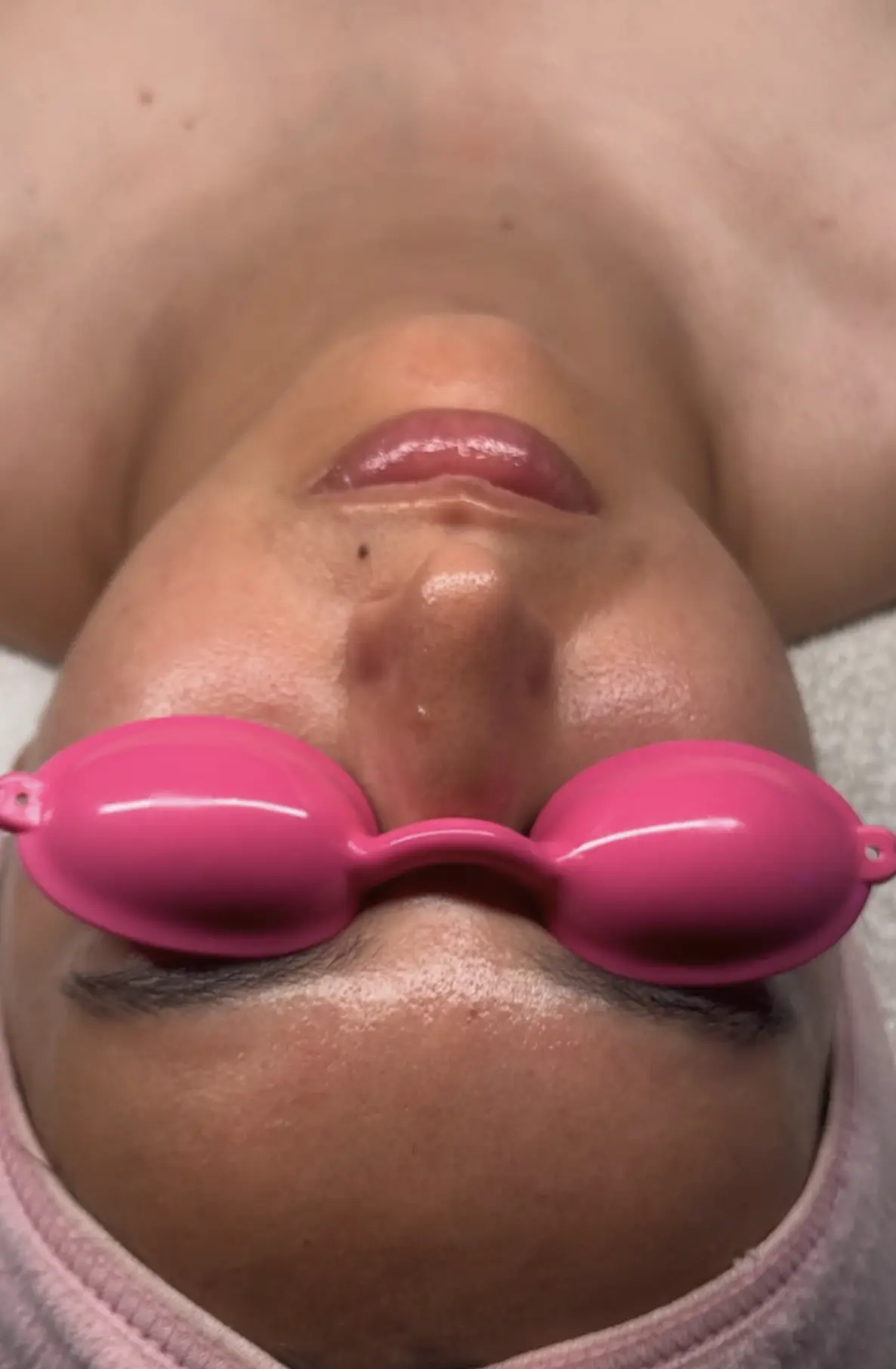
- LED light to calm things down a bit
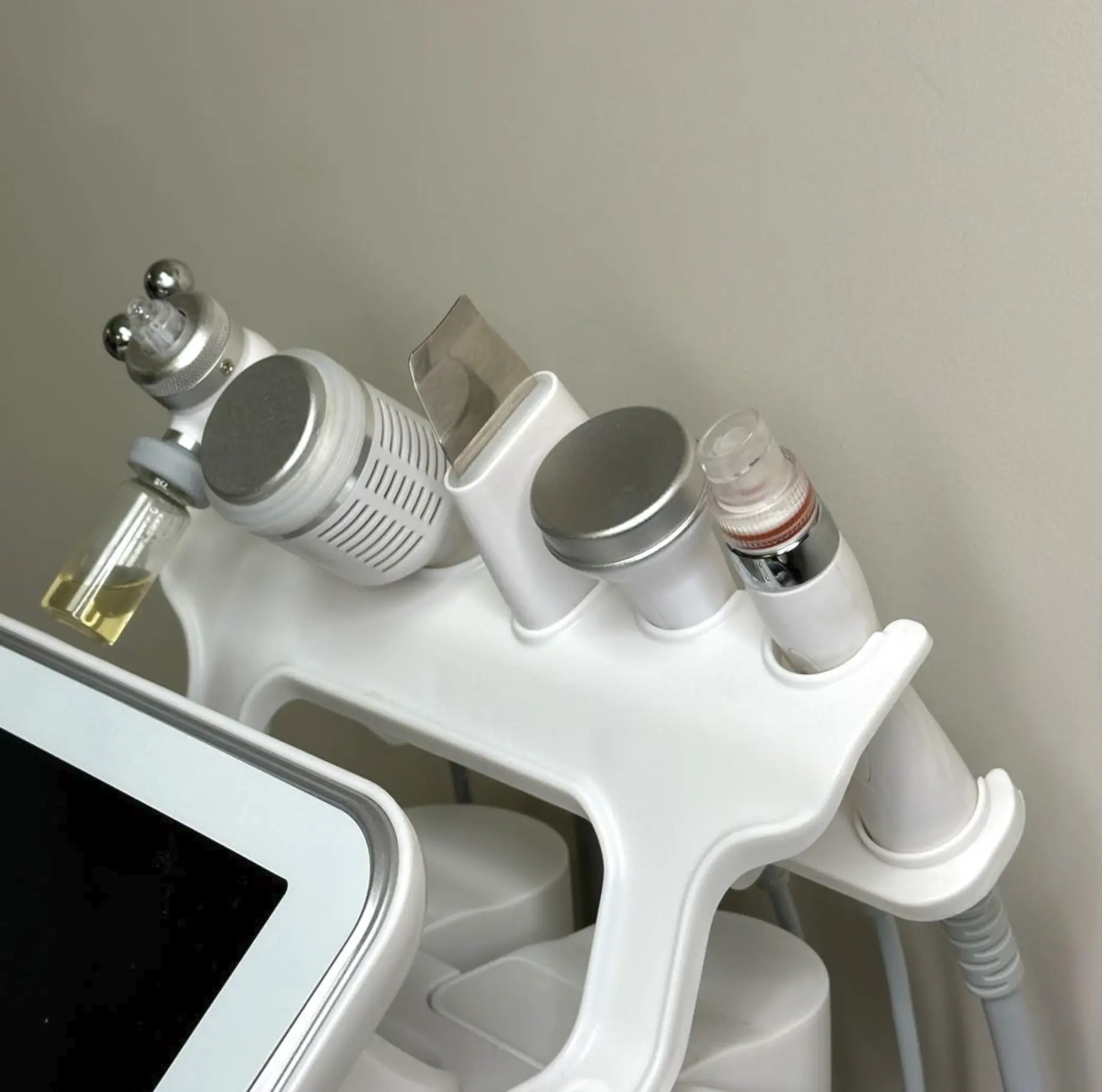
- A customised HydrFacial here in Brisbane (tweaked for super sensitive skin)
- Barrier-repair facials using only the cleanest, vegan-friendly products
- One of those cooling hydrojelly masks we all love
Now and again, we might also consider treatments like skin needling at The Facial Hub Brisbane once you’re good to go – but only when your skin will actually thank you for it.
Why Brisbane Conditions Can Slow Recovery
Your environment plays a bigger role than most people realise.
Brisbane’s climate brings high UV exposure, humidity, and heat — all of which can complicate the recovery process. UV light, in particular, can worsen inflammation and contribute to pigmentation if the skin isn’t properly protected.
That’s why I always emphasise consistent sunscreen use and a tailored approach to post-facial care. At The Facial Hub, every recovery plan is adjusted not just to your skin type, but to how your skin behaves in this specific environment.
2026 Skincare Insight: Why Barrier Health Is The Focus Now
Reports worldwide have been saying that more and more people are swinging towards barrier repair over going after the big ‘anti-ageing fix’ – and honestly, it’s about time.
There’s been a huge spike in demand for products with ceramides in, and even board-certified dermatologists are starting to say that balanced is the new better – let’s get that barrier sorted first, then we can think about all the other stuff.
And that’s exactly what we’ve been seeing at The Facial Hub day in and day out. So many modern skin problems – from sensitivity to breakouts – and they all boil down to doing too much with active ingredients rather than not doing enough.
Real Client Recovery Story
Not long ago, I had a client come in here at The Facial Hub who’d done a deep peel at home and layered on multiple acids. She was in a right state – super sensitive, uneven texture, the whole works.
Instead of trying to ‘fix’ everything all at once, we just focused on calming it all down and rebuilding from the ground up.
A week in, and the inflammation was already way down. By 2 weeks, hydration levels were back on track, and by week four, she was good to go again.
It’s a good reminder that sometimes the best thing your skin can do is chill out a bit.
Knowing When To Get Expert Advice
Most of the time, taking good care of your skin at home is enough to sort things out, but there are situations where getting some real help is the best way to go.
In all honesty, you should probably get some expert advice if you notice:
- That burning sensation just won’t quit
- Swelling or blistering showing up – that’s a pretty big red flag
- Signs of infection – you want to catch that early on
- Your skin is getting worse, or in a really bad way
Final Thoughts: A Smarter Way To Support Your Skin
Barrier burnout, it’s a thing – and it can be a real drag, especially when your skin suddenly starts to get all touchy and reactive.
But here’s the thing, your skin isn’t broken – it’s just asking for a bit of a break, some TLC and a little bit of time to recover.
At The Facial Hub, we see all this stuff all the time – and we also see how amazing skin can be when you give it a bit of space to recover.
FAQ
Is a peel really going to leave my skin broken forever?
Short answer: no way. Most of the time, with the right aftercare, your skin recovers fully within a few weeks. Sometimes, if it’s been really badly damaged, it may take a bit longer.
When can I resume using all my active skincare products?
A good rule of thumb is to wait until your skin is feeling pretty calm and stable. No more stinging, redness or flakiness – you’re good to go.
Why on earth is my skin feeling both oily and dry at the same time?
That’s a sign of imbalance – your skin is basically crying out for some hydration, but your oil glands are trying to compensate.
Do I really have to wear sunscreen every single day when I’m recovering?
Absolutely, daily SPF is essential to keep your skin from getting any more sensitive or going all blotchy.
Do professional treatments really help speed things up?
Yes, if you do them at the right time with the right sort of treatment that is focused on strengthening your skin’s barrier, it can really make a difference during the healing process.
 James Smith