

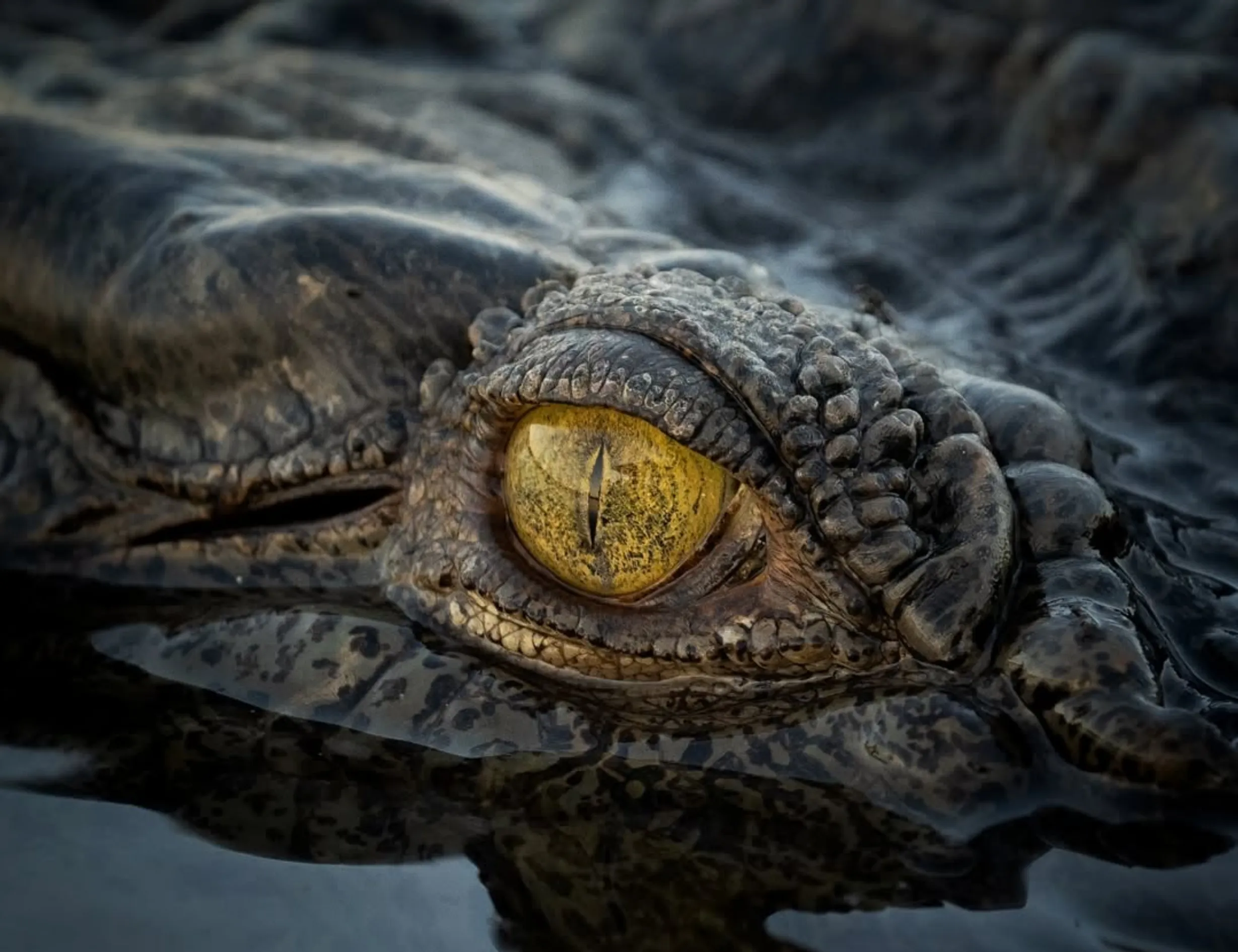
Kakadu National Park in Australia’s Northern Territory is one of the world’s greatest cultural landscapes, for its natural values, cultural heritage and biodiversity. It’s a UNESCO World Heritage Site for both natural and cultural attributes.
For over 65,000 years the park has been home to Indigenous people, the Bininj/Mungguy people, who still maintain their cultural responsibility over this intact landscape. This sacred land is full of rock art sites, ceremonial sites, ancient escarpments, burial grounds and archaeological sites, all of which reflect the deep Aboriginal history and human civilization that has lived here for thousands of years.
So why is Kakadu sacred? This article explores its spiritual landscapes, rock art, creation ancestors and the importance of Aboriginal land management in preserving its cultural and natural environment.
Contents
Dreamtime Stories and Sacred Sites
Kakadu is a sacred place because it’s tied to Dreamtime stories, which describe the actions of creation ancestors who shaped the land, rivers and rock formations. These legends are stored in rock art sites, passed down through generations.
Key Sacred Sites

- Nourlangie Rock (Burrungkuy): A major rock art site with detailed paintings of human figures, Tasmanian tiger and concentrations of rock art reflecting Aboriginal history.
- Ubirr: This ancient escarpment has x-ray art, fish species and a sailing ship, showing human interaction with early European explorers.
- Jim Jim Falls & Gunlom Falls: These natural infinity pools are spiritual and surrounded by wildlife.
- Alligator Rivers: A tropical river system that’s sacred for its cultural sites and is a breeding ground for bird species and wildlife.* Yellow Water Billabong & Adelaide River: Wet season floodplains and tidal flats for cultural values and biodiversity.
These are not just places; they are embodies of Aboriginal ancestors and connection to country.
Aboriginal Rock Art
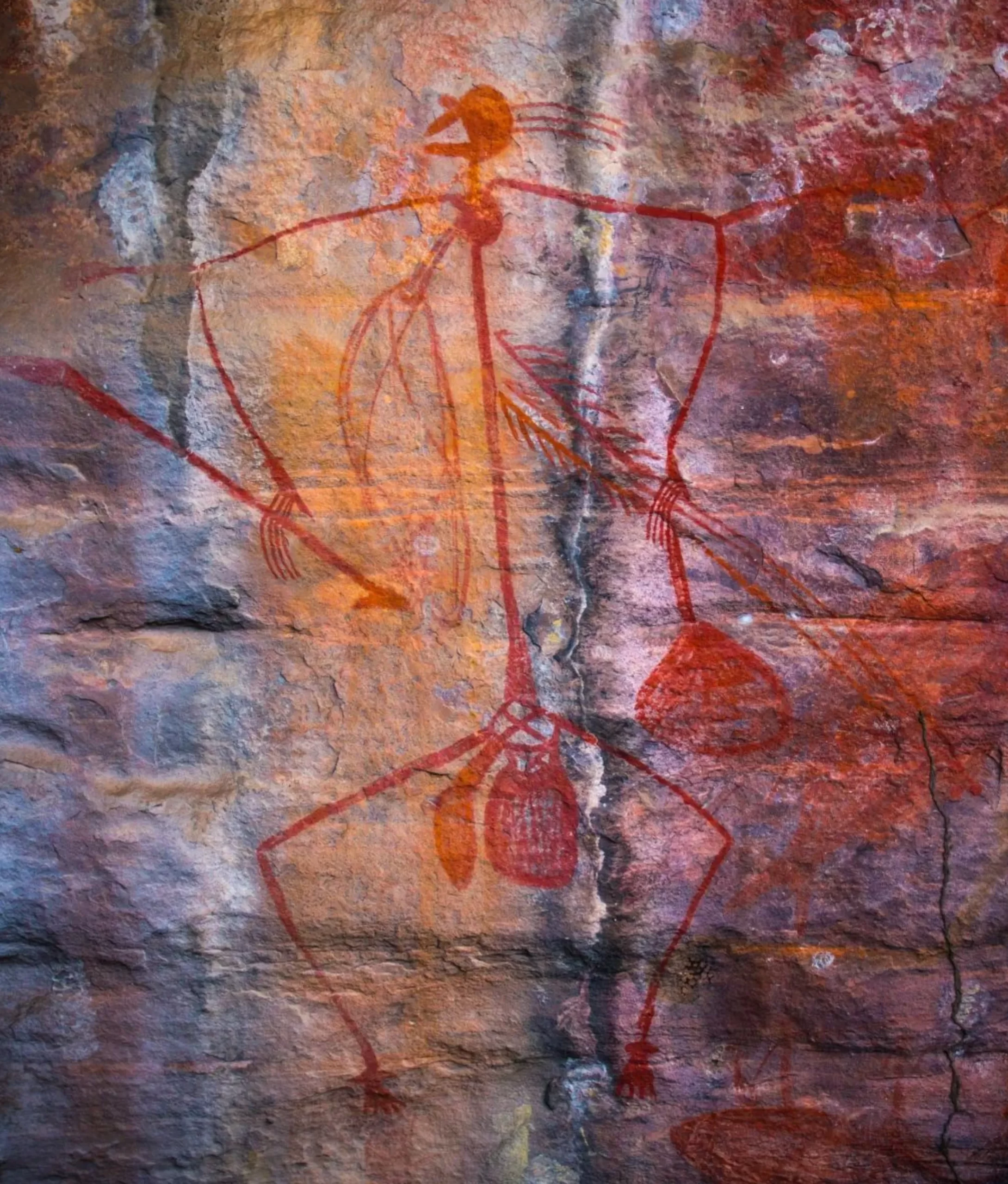
Kakadu is home to some of the oldest and best preserved rock art in the world, with paintings more than 20,000 years old. These ** incredible records** of human history show everything from creation ancestors to cultural responsibility in everyday communication and hunting practices.
Types of Rock Art in Kakadu
- X-ray art: At Nourlangie Rock, you’ll find detailed paintings of fish species, land mammals and the internal organs of animals, showing deep biological knowledge.
- Human figures & ceremonial sites: Aboriginal ancestors and ceremonial dances, reflecting cultural values.
- Ochres for painting: Natural pigments used in Aboriginal rock painting, preserving historical records.
These artworks are managed by Parks Australia and are an archaeological record of Aboriginal history.
Sacred Waterways and the Balance of Life
Water is a big part of Aboriginal culture, representing both life and spirit. Many rock shelters, cultural sites, and breeding grounds are near wet-season rivers and billabongs.

But climate change and cane toads have seen some native wildlife decline, impacting the whole catchment. The cane toad distribution has had a big impact on the Black Wallaroo and other land mammals. Exploring these unique ecosystems through Darwin Tours Kakadu or Darwin to Kakadu tours provides visitors with a chance to learn about the delicate balance of nature and the ongoing conservation efforts to protect Kakadu’s wildlife and cultural heritage.
Sacred Water Sites
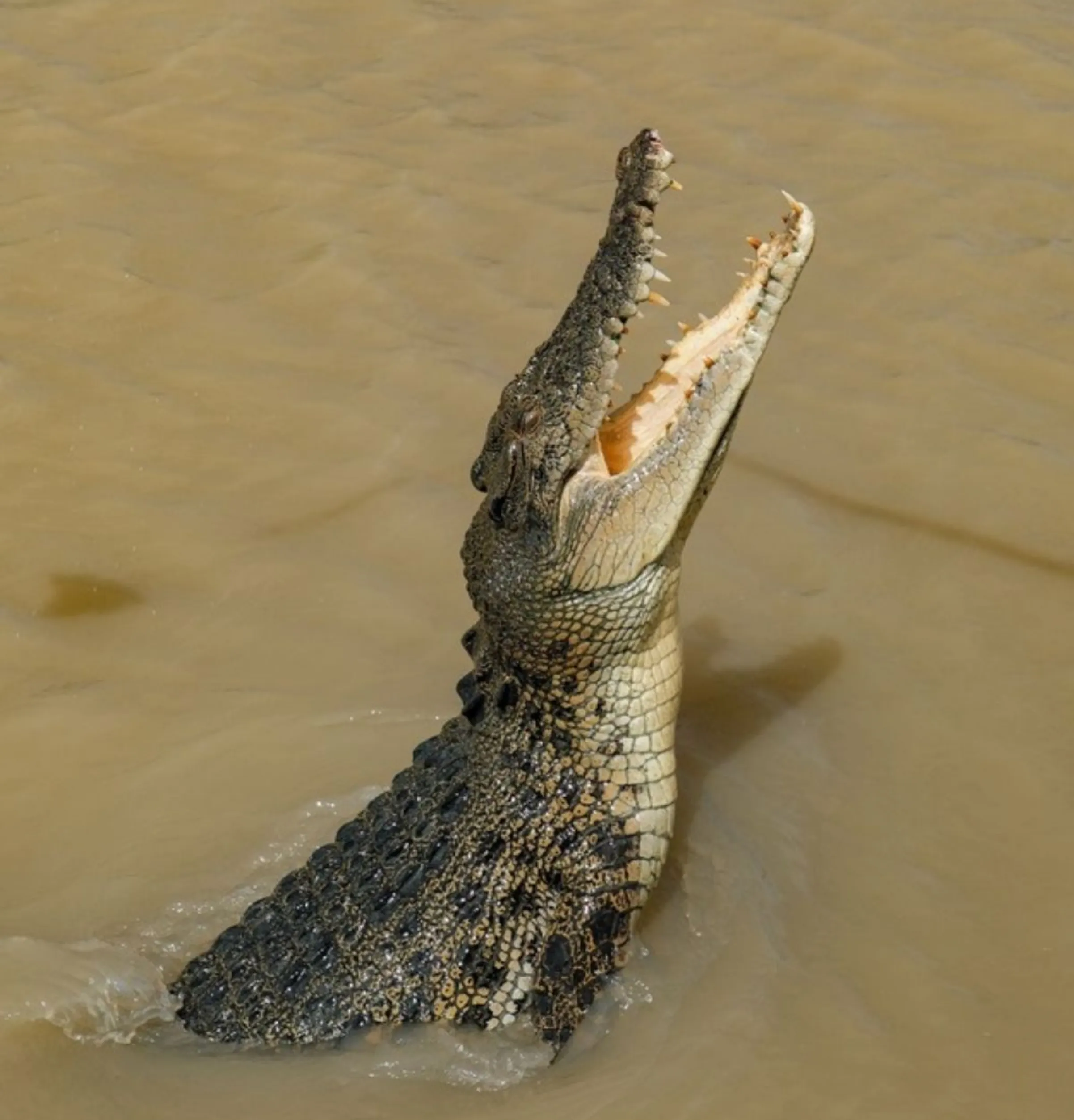
- Yellow Water Billabong: Saltwater Crocodiles, bird species and Asian water buffalo, biological diversity.
- Gunlom Falls: A natural infinity pool at the top of a waterfall, intact landscape views.
- Adelaide River: Crocodile hunting and crocodile warning signs, sacred to Aboriginal communities.
Aboriginal Land Management and Conservation
The Board of Management, made up of national park managers and Aboriginal elders, oversee the day to day management of Kakadu in accordance with traditional ecological knowledge. Their work includes:
- No action without approval in ceremonial sites and burial grounds.
- Repairing water damage and chemical weathering of sites.
- Controlling invasive species like the cane toad for wildlife protection.
- Managing adjacent land affected by former small-scale uranium mining sites and current uranium mining.
- A climate change strategy for climate change impacts.
You can learn about Aboriginal history at the Bowali Visitor Centre, Warradjan Cultural Centre and other cultural centres where centre staff will teach you about everyday communication and ongoing care of cultural sites.
Arnhem Land and Other Sacred Areas
Kakadu is connected to Arnhem Land, an Aboriginal reserve beyond the Arnhem Land escarpment. Like Kakadu, it has ceremonial sites and rock shelters with ancient rock art.
Other Aboriginal places of significance:
- Ayers Rock (Uluru) & Kata Tjuta: These places have cultural values and visitors must respect their cultural attributes.
- Western Australia’s Aboriginal lands: Another example of Aboriginal communities looking after intact landscapes.
Non-Aboriginal people should respect these sacred sites by following the rules and not litter.
Kakadu’s Future: Preservation and Respect
Kakadu’s environment needs ongoing management. Climate change, biodiversity loss and invasive species threaten this whole catchment.
You can help by:
Following crocodile warning signs and not swimming in deep holes.
Learning from Aboriginal elders about cultural responsibility.
Supporting Parks Australia and day use.
Not doing anything without permission in ceremonial sites.
Explore Kakadu
One of the best ways to see the sacred sites of Kakadu is on guided Kakadu tours with Aboriginal guides who know the culture and the land. Wayoutback Tours offers immersive experiences through the park, visiting rock art sites, sacred waterholes and dynamic landscapes and learning about cultural values from Indigenous communities.
By traveling with experienced guides you can understand the significance of the land and protect cultural sites and wildlife habitats.
Conclusion

Kakadu National Park is more than just a park—it is the home of the Bininj/Mungguy people, a place of human history, and a record of Aboriginal culture. The oldest escarpments, rock shelters, paintings, and waterways make it one of the most important Indigenous sites in the world. Exploring this cultural treasure through Kakadu tours from Darwin or a Kakadu day tour offers visitors a deeper understanding of its history, landscapes, and traditions while supporting sustainable tourism and conservation efforts.
By visiting with respect and acknowledging the cultural values we can ensure this sacred land is protected for future generations.
Frequently Asked Questions
Why is Kakadu National Park sacred?
Kakadu is sacred because of its Aboriginal land, Dreamtime stories, rock art sites and deep connection to creation ancestors.
What are the top rock art sites in Kakadu?
Nourlangie Rock, Ubirr and Nanguluwurr are some of the key sites featuring x-ray art, human figures and animals and spirits.
How are Aboriginal communities managing Kakadu?
The Board of Management, which includes Indigenous people, manage day to day operations, cultural heritage and climate change.
Can we swim in the waterfalls and billabongs?
Yes, but only in designated areas like Gunlom Falls. Always check crocodile warning signs and follow Parks Australia guidelines.
What wildlife can we see in Kakadu National Park?
Saltwater Crocodiles, bird life, land mammals, Asian water buffalo and fish in the wetlands and rivers.
 James Smith