

Are ‘Mobile Tattoo Removal‘ businesses legal in Victoria and NSW this year? I get asked this a lot – usually when some client’s seen a dodgy Instagram ad for removal from a van or some bloke operating out of his garage.
Let me make one thing crystal clear, straight off the bat. As someone who works in this space every day at Cosmetic Tattoo Studio Melbourne Face Figurati, most of the time, mobile tattoo removal businesses are a no-go in Victoria and NSW, when it comes to laser technology at least.
And I’m not just talking about health and safety – there’s a heap of licensing requirements and strict infection control protocols to jump through. This isn’t like doing beauty treatments on the go. We’re talking about lasers that poke around under your skin and mess with tattoo ink at a deep level.
Contents
- 1 Why This Treatment Requires A Controlled Clinical Setting
- 2 How Victoria Regulates Laser-Based Skin Treatments
- 3 Why Mobile Services Don’t Meet These Standards
- 4 What Applies Across New South Wales
- 5 What A Safe Setup Actually Looks Like
- 6 What Happens When Standards Aren’t Met
- 7 Why Regulations Are Strict (And Why That’s A Good Thing)
- 8 How To Choose A Safe Provider
- 9 What A Proper Treatment Journey Looks Like
- 10 Melbourne Insight: Why Local Conditions Matter
- 11 Final Thoughts: Your Skin Deserves Proper Standards
- 12 FAQ
- 12.1 Is it safe to get laser-based services done outside of a clinic setting?
- 12.2 Does having training mean you can operate from just anywhere?
- 12.3 Why do some providers still offer to come to your home?
- 12.4 Are lower-priced services riskier?
- 12.5 What should you be looking for when choosing a provider?
Why This Treatment Requires A Controlled Clinical Setting
Before we even get into the nitty-gritty of the legal stuff, let’s take a closer look at what’s actually happening during treatment.
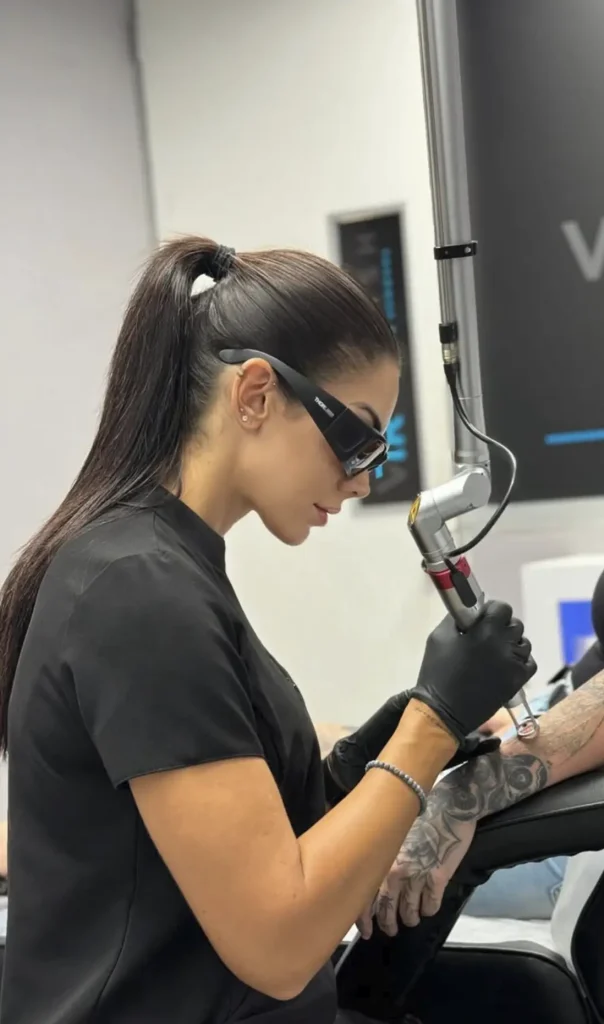
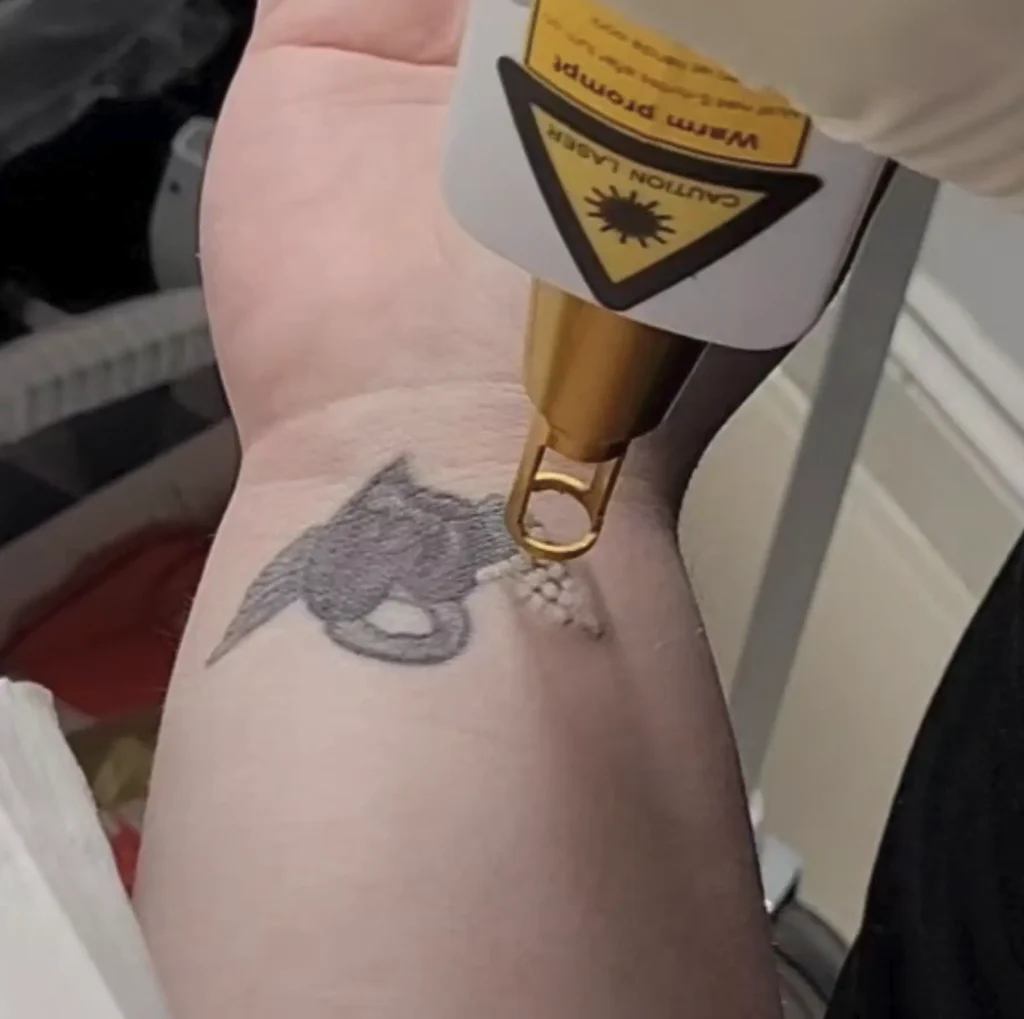
Laser tattoo removal deals with using top-of-the-line laser tech, think Q-switched systems, to break down tattoo ink into tiny bits. Your body then slowly clears these out over time during the healing process. Sounds straightforward enough, but trust me, it’s anything but that.
What’s happening here is that skin is being penetrated in a controlled way, with the body responding accordingly, so to prevent things from getting out of hand, we really need to be strict about infection prevention and control measures. Without these proper protocols in place, you’re basically opening yourself up to complications like infection, cross-contamination ( including all the bad stuff like Hepatitis C), and long-term skin damage.
I always tell my clients – just having a laser tattoo removal training certification or even doing a tattoo laser removal course isn’t anywhere near enough, the real safety comes from applying that knowledge in a safe & controlled way.
How Victoria Regulates Laser-Based Skin Treatments
If you’re from Melbourne, the rules are pretty tough,council-registered, and in place to protect both you and the practitioner.
What Clinics Must Comply With
For laser procedures in Victoria, the rules are pretty clear:
- They have to follow health and safety regulations as a bare minimum.
- They need to follow infection control protocols aligned with Australian standards.
- The premises where they operate need to be council-registered.
- They need to keep accurate client records and track treatment history.
Operators also have to:
- Hold a valid tattoo removal certification.
- Have professional indemnity insurance in place.
- Follow proper hand hygiene and PPE requirements.
At Cosmetic Tattoo Studio Melbourne Face Figurati, we stick to these rules every single day, because at the end of the day, safety and quality always come first.
Why Mobile Services Don’t Meet These Standards
A mobile tattoo business just can’t provide the same level of:
- Sterile environment for treatment
- Proper infection control set-up
- Registered premises for council compliance
- Safe waste and contamination management
Even if someone has completed a million different tattoo removal courses, it doesn’t change the fact that a mobile setup will never be safe & compliant.
The treatment environment needs to match the level of training that you’ve had.
What Applies Across New South Wales
NSW has a pretty similar approach, just with slightly different wording in its legislation.
Core Compliance Expectations
Here, operators need to work from approved premises, follow proper infection control measures, and keep on top of documentation, such as client records. PPE and hygiene protocols are a must, not a choice.
Training is a must, whether it is a laser safety course or a proper laser tattoo removal training course, but it doesn’t give anyone permission just to go ahead and operate anywhere.
The Key Takeaway
Even if you are running some kind of franchise business or have a fancy marketing campaign, the bottom line is still:
- Licensing requirements still apply
- The premises still need to meet the standards
- Client protection laws still need to be followed
No getting around it.
What A Safe Setup Actually Looks Like
Understanding the difference between a compliant clinic and a mobile setup can save you from serious complications.
| Requirement | Licensed Clinic | Mobile Setup |
|---|---|---|
| Council-registered premises | ✅ Yes | ❌ No |
| Infection control protocols | ✅ Strict | ❌ Limited |
| Hand hygiene facilities | ✅ Available | ❌ Missing |
| PPE compliance | ✅ Standard | ⚠️ Inconsistent |
| Client records maintained | ✅ Yes | ❌ Often poor |
| Legal compliance | ✅ Yes | ⚠️ High risk |
What Happens When Standards Aren’t Met
A client came to Cosmetic Tattoo Studio Melbourne Face Figurati after botching a mobile cosmetic tattoo removal session. They’d tried to remove the old pigment before moving on to nano brows, but it all went very wrong.
Instead of a straightforward process, they ended up with blistering, uneven pigment that took ages to clear up, and one heck of a delayed healing. There was no decent aftercare structure in place, and it was clear they weren’t taking infection control seriously at all.
We had to completely stop everything and focus on getting their skin to heal properly before we even thought about booking them in for some nano brows.
The harsh reality is – taking shortcuts doesn’t save you time, it just creates more problems.
Why Regulations Are Strict (And Why That’s A Good Thing)
Tattoo removal sits right between the cosmetic industry and clinical practice. It involves breaking down tattoo pigments, which can contain compounds such as polycyclic aromatic hydrocarbons, and managing the skin’s response.
If done incorrectly, the risks include scarring, pigmentation changes, and prolonged healing.
Safe treatment requires:
- Understanding of laser technology
- Knowledge of skin behaviour
- Controlled treatment environments
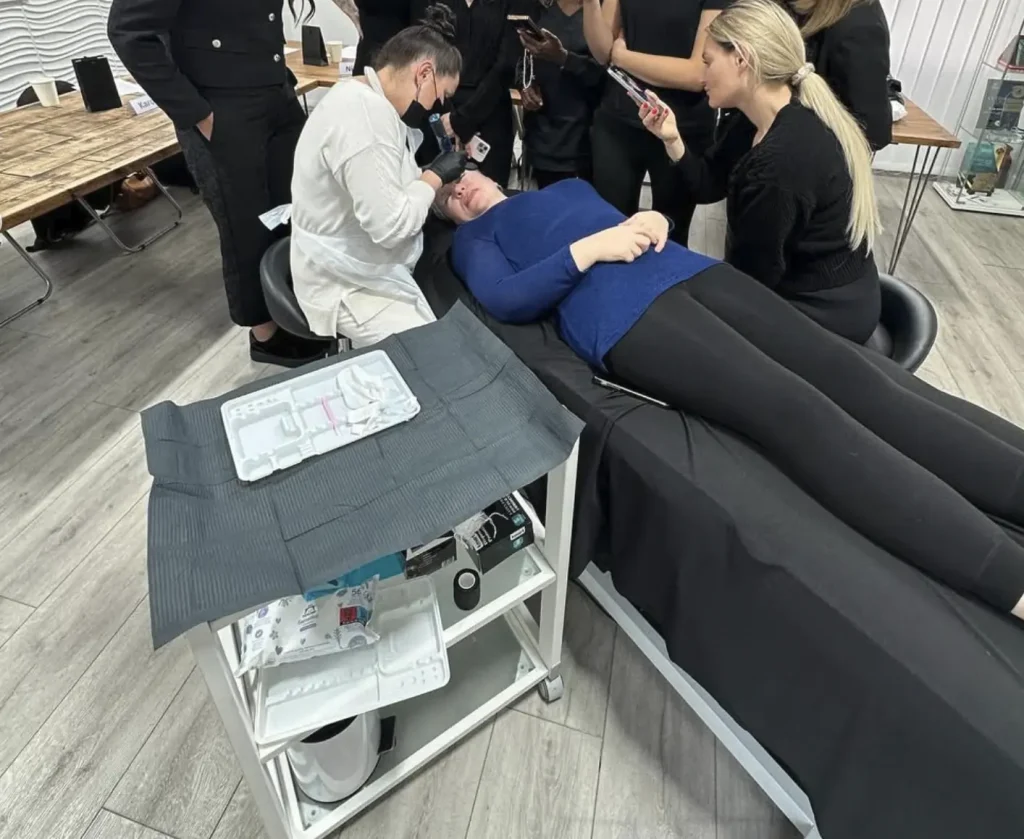
How To Choose A Safe Provider
So, if you’re considering getting a tattoo removed, here’s what really matters.
Signs You’re In The Right Place
- They’re working from a licensed clinic
- They know their stuff when it comes to infection control
- They’re using top-of-the-line equipment
- They take the time to sit down and talk you through the whole process
- They’re properly certified and trained
Warning Signs To Avoid
- They’re doing this kind of work from a mobile van or out of their home
- They can’t be bothered to talk about licensing requirements
- There’s no conversation about what to expect when it comes to recovery time
- All they seem to care about is how much it’s going to cost you
What A Proper Treatment Journey Looks Like
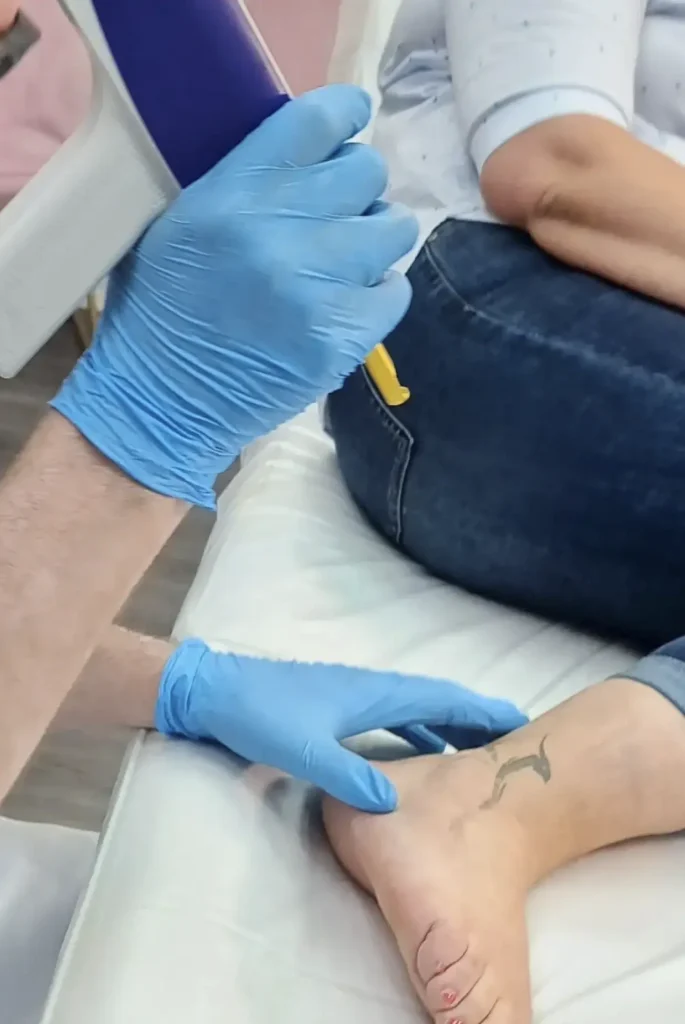
A safe and effective removal process is never rushed. You’ll start with a consultation, get booked in for your first session, and then just have to sit back and wait for about 6 to 8 weeks for your body to heal up – before we can even think about having you come back in for the next session.
The number of treatments you’ll need will depend on all sorts of factors – the type of pigment in your tattoo, how deep it is, and just how well your body is going to respond to the treatment. Even if your provider has the proper tattoo removal certification, pushing the boundaries and rushing things can still increase the risk of all sorts of problems.
Melbourne Insight: Why Local Conditions Matter
Melbourne’s climate and lifestyle play a way bigger role in how you look and feel than a lot of people give them credit for.
We see some really extreme conditions here – dry as a bone in the winter and blisteringly hot in the summer, with UV exposure through the roof. And on top of that, a lot of people here are super active. All of that has a huge impact on how long you take to heal, how sensitive your skin is, and, overall, how well you look.
At Cosmetic Tattoo Studio Melbourne Face Figurati, we don’t just slap up a treatment plan and hope for the best – we tailor make it to what your skin is like, how you live and what you’re aiming for in the long term – whether that’s just getting rid of something completely or prepping for a procedure like nano brows.
Final Thoughts: Your Skin Deserves Proper Standards
This isn’t just a bit of a beauty treatment – it’s a proper procedure that can directly affect the health of your skin.
Mobile setups might look appealing because they’re convenient, but often they don’t meet the standards in Victoria and NSW, either from a safety or legal perspective.
At Cosmetic Tattoo Studio Melbourne Face Figurati, we focus on doing things properly – providing safe environments, maintaining the highest possible standards, and giving you results that actually last.
FAQ
Is it safe to get laser-based services done outside of a clinic setting?
Most of the time – no. These treatments require a controlled environment that meets very strict regulations.
Does having training mean you can operate from just anywhere?
No. Having completed a course or training in laser tattoo removal or a similar field does not override the need for proper premises and licenses.
Why do some providers still offer to come to your home?
Because enforcement can vary, and some providers put convenience above following the rules.
Are lower-priced services riskier?
Often, yes. Lower pricing usually means the provider is cutting corners on safety standards, equipment quality, or compliance.
What should you be looking for when choosing a provider?
Proper certification, a registered clinic, strong hygiene standards and open, transparent communication are all musts.
 James Smith