

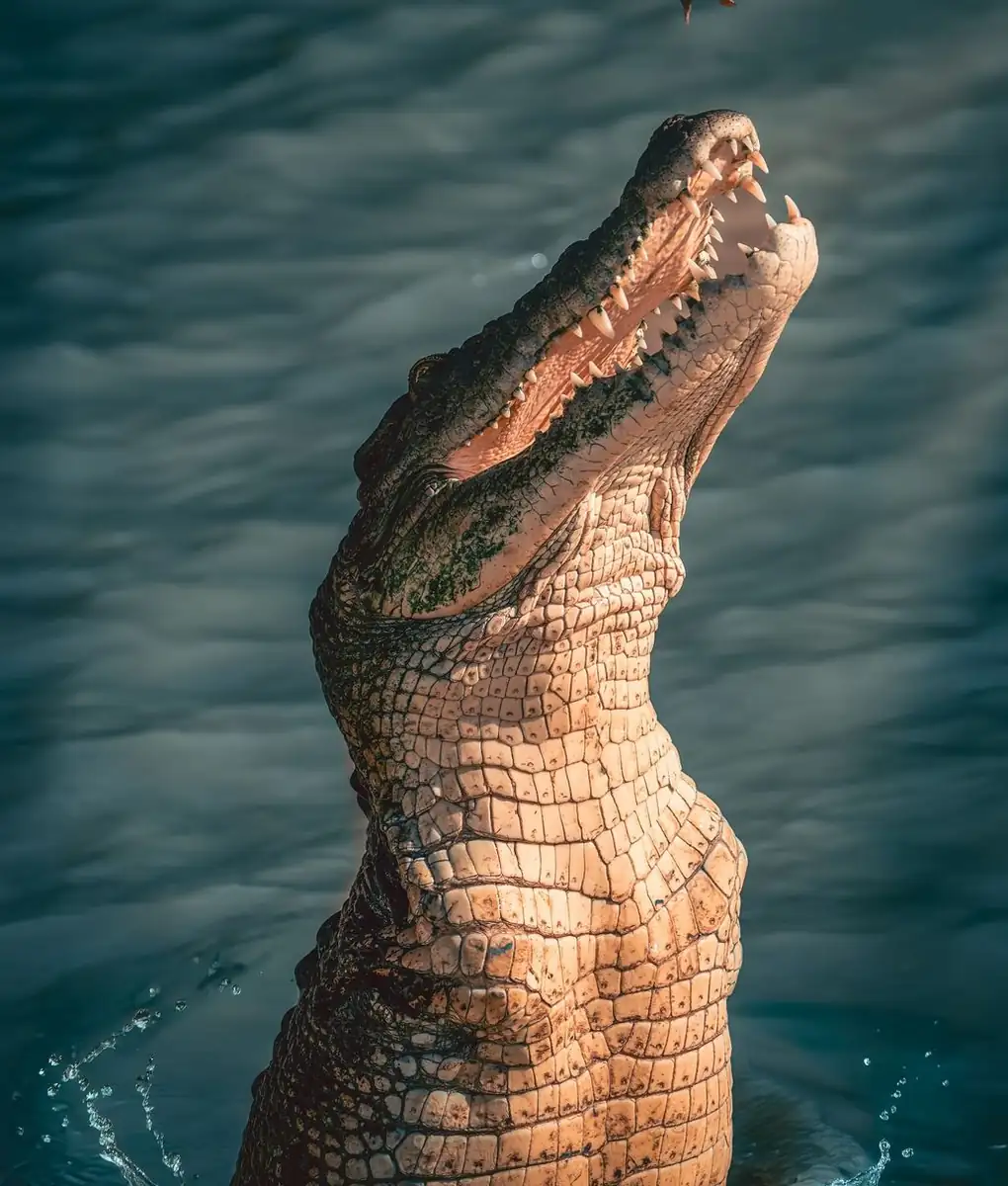
How to spot wild saltwater Crocodiles Safely near Darwin – a question I hear all the time from drivers who’ve just arrived in the Northern Territory with a hire car, and by all accounts, a mix of excitement and nerves.
I’m Paul Beames, been guiding visitors through the tougher bits of Australia for years now and let me tell you straight out – in the Northern Territory, crocs are to be taken seriously, not treated like some novelty attraction – they’re part of the local landscape, like the heat, the tides and the mozzies who always seem to have a bit of attitude.
Here’s the cheap version before we get to the nitty gritty – yes, you can catch a glimpse of a wild crocodile safely near Darwin, but only if you know where to look, when to look for ’em and why wandering off track is always going to end up with you reading a warning sign.
This guide is all about doing it properly – with respect for the land, some solid local knowledge and zero heroics.
Contents
- 1 Why Crocodiles Thrive Across The Top End
- 2 Places To See Them Without Risking Your Life
- 3 Waterways Where Crocs Can Catch You Out
- 4 The Telltale Signs That a Croc Has Already Been There
- 5 Just How Much the Seasons Can Affect Crocodile Risk
- 6 Crocodiles and Aboriginal Knowledge
- 7 Why Crocodile Conservation Still Matters
- 8 Practical Rules For Staying Safe Around Crocs
- 9 Choosing a Tour That Does It Right
- 10 The Real Takeaway From Croc Country
- 11 FAQ
Why Crocodiles Thrive Across The Top End
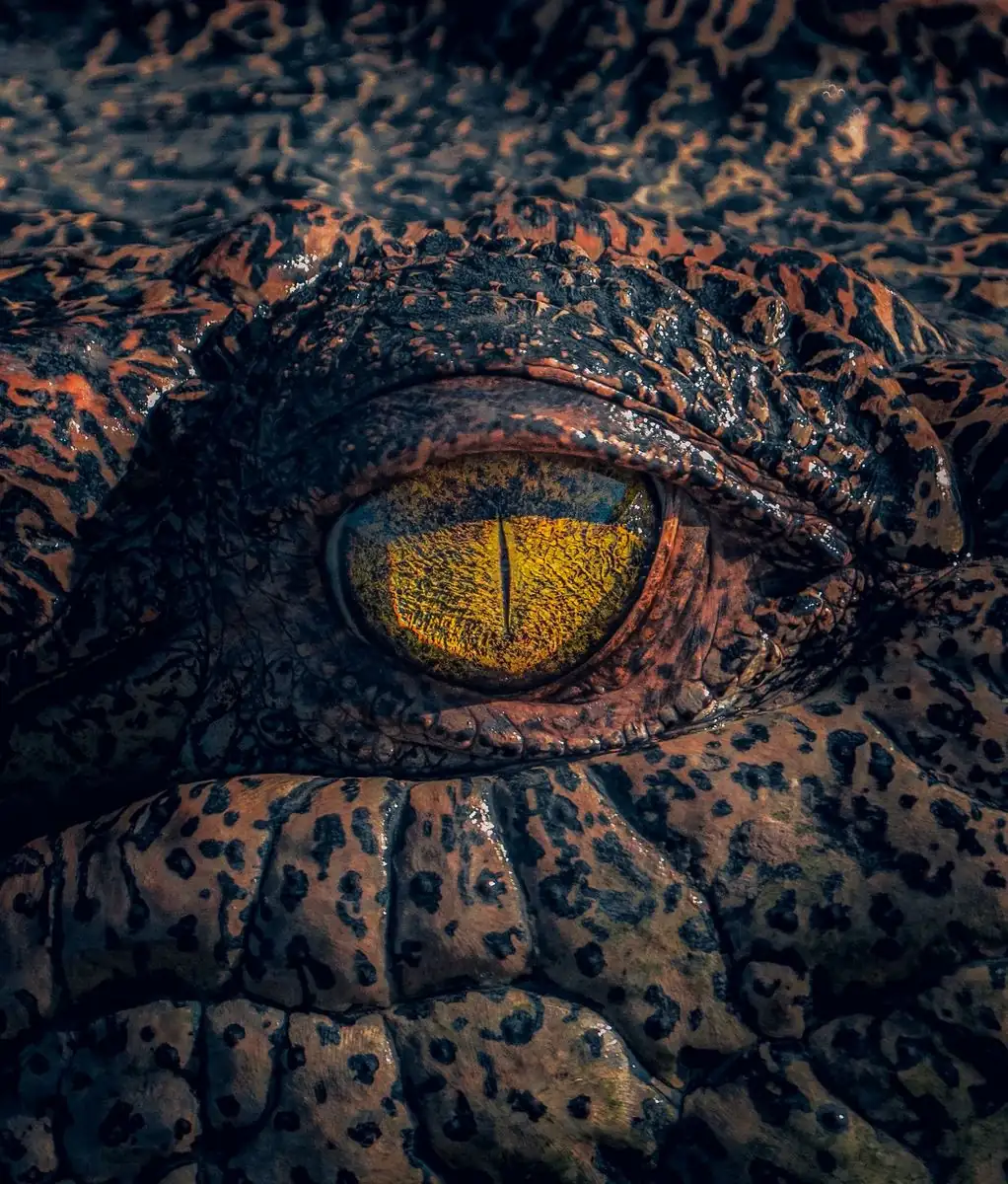
The Top End is a region where crocodiles are bred.
It’s got the sort of conditions they love – warm water 12 months of the year, rivers that flow deep inland with the tides, and a whole lot of wetlands where food is plentiful and easy to get to.
That’s why visitors are often surprised to see them in places you’d least expect – like in freshwater creeks, inland billabongs or even stormwater drains after a big rain.
Top of the bill here is the Estuarine Crocodile – that’s Crocodylus porosus for those in the know.
What’s interesting is that – despite the name – they’re pretty much just as happy to live in freshwater systems as they are in saltwater ones.
And alongside them, you’ll find some freshwater crocodiles – smaller, less aggressive, but still very much wild animals that demand respect.
Crocodiles are right at the top of the food chain – they’re true apex predators that’ve been honed over millions of years to be expert ambush hunters.
They don’t need to chase you – they just need you close enough to get a good bite.
Places To See Them Without Risking Your Life
Safest crocodile encounters happen in places where everything has been thought out for you – access is controlled, there are staff on hand who know what they’re doing, and safety systems are already in place.
No guesswork required, just solid planning.
Adelaide River Boat Cruises – The Real Deal
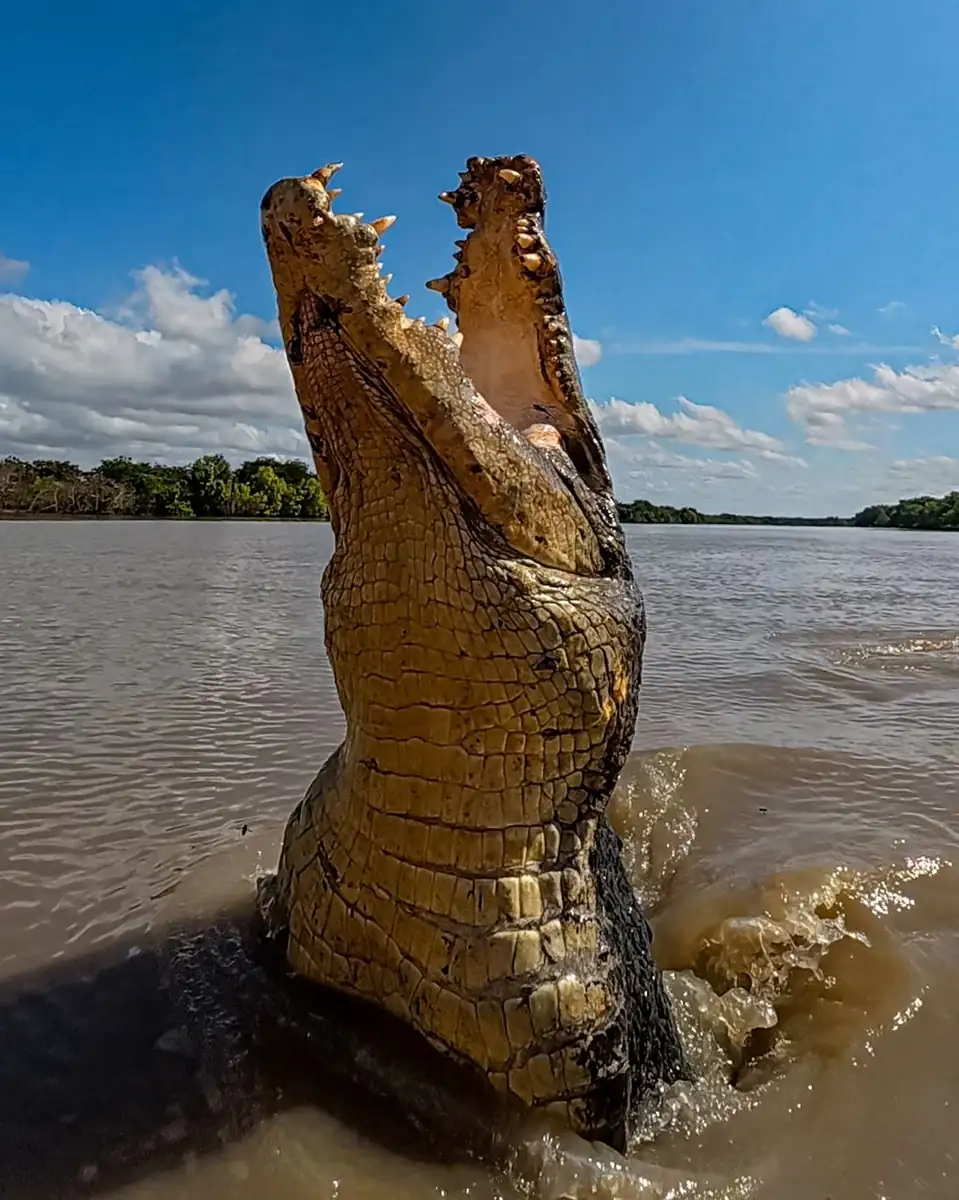
The Adelaide River is well known for large crocodiles and clear viewing opportunities.
You can take daily cruises run by licensed operators who keep you safely away from the banks while filling you in on what makes crocs tick – territorial behaviour, surface stalking, and those explosive vertical jumps that will have you speechless in no time.
The river is home to some of the biggest estuarine crocodiles in the country.
Seeing them from the safety of a purpose-built boat is the way to see them – and for many, it’s a must-do on a Darwin tour.
Kakadu National Park – Where Wildlife Management Rocks
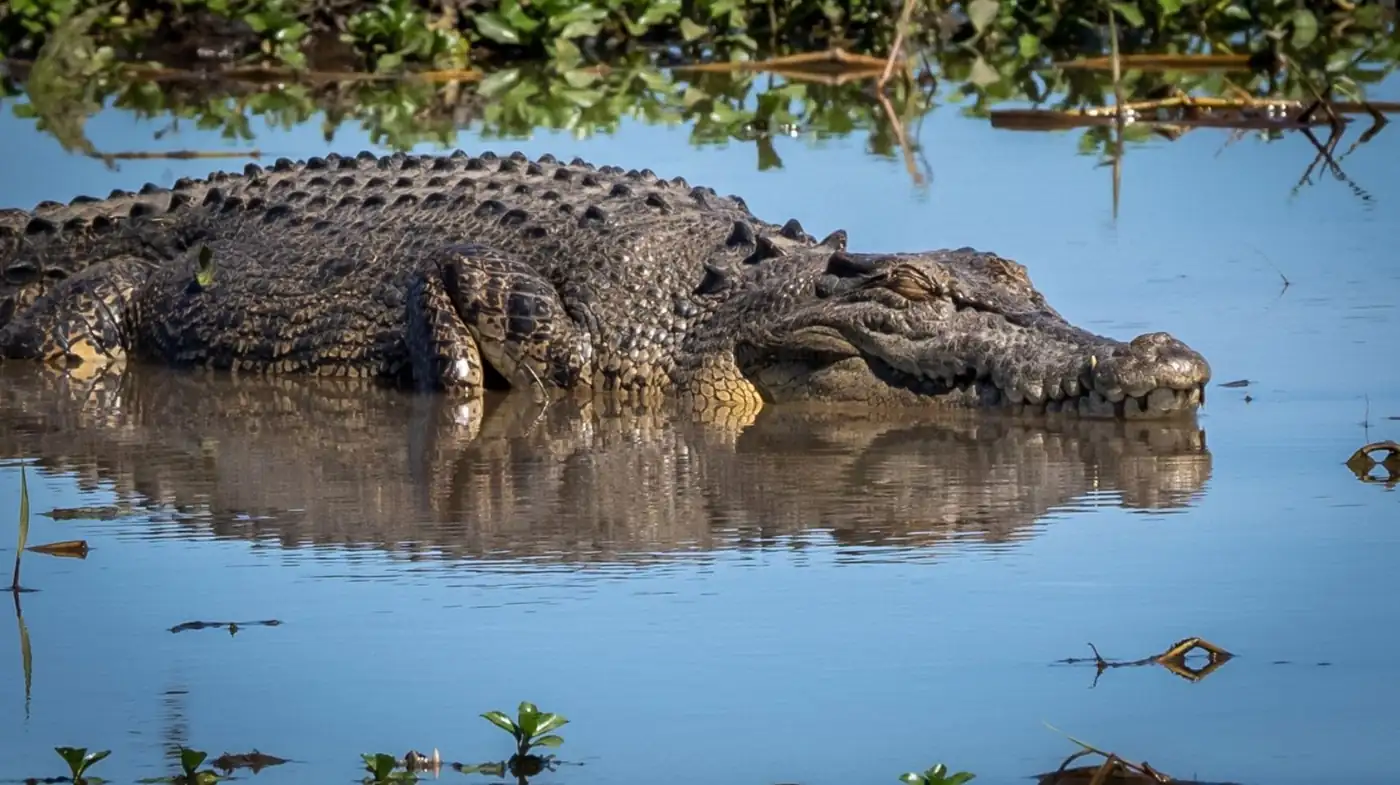
Kakadu National Park is where wildlife conservation, Aboriginal culture and rules all come together in a big way.
The guided tours here have been set up in collaboration with traditional owners and rangers, which means the rules are not just suggestions – they’re tried and tested to keep you safe.
Yellow Water Billabong, parts of the Mary River system and surrounding floodplains are home to both freshwater and saltwater crocs.
If you go with a reputable guide, they will know where to find them and can read the water to keep you safe.
Darwin’s Wildlife Parks – A Safe Bet
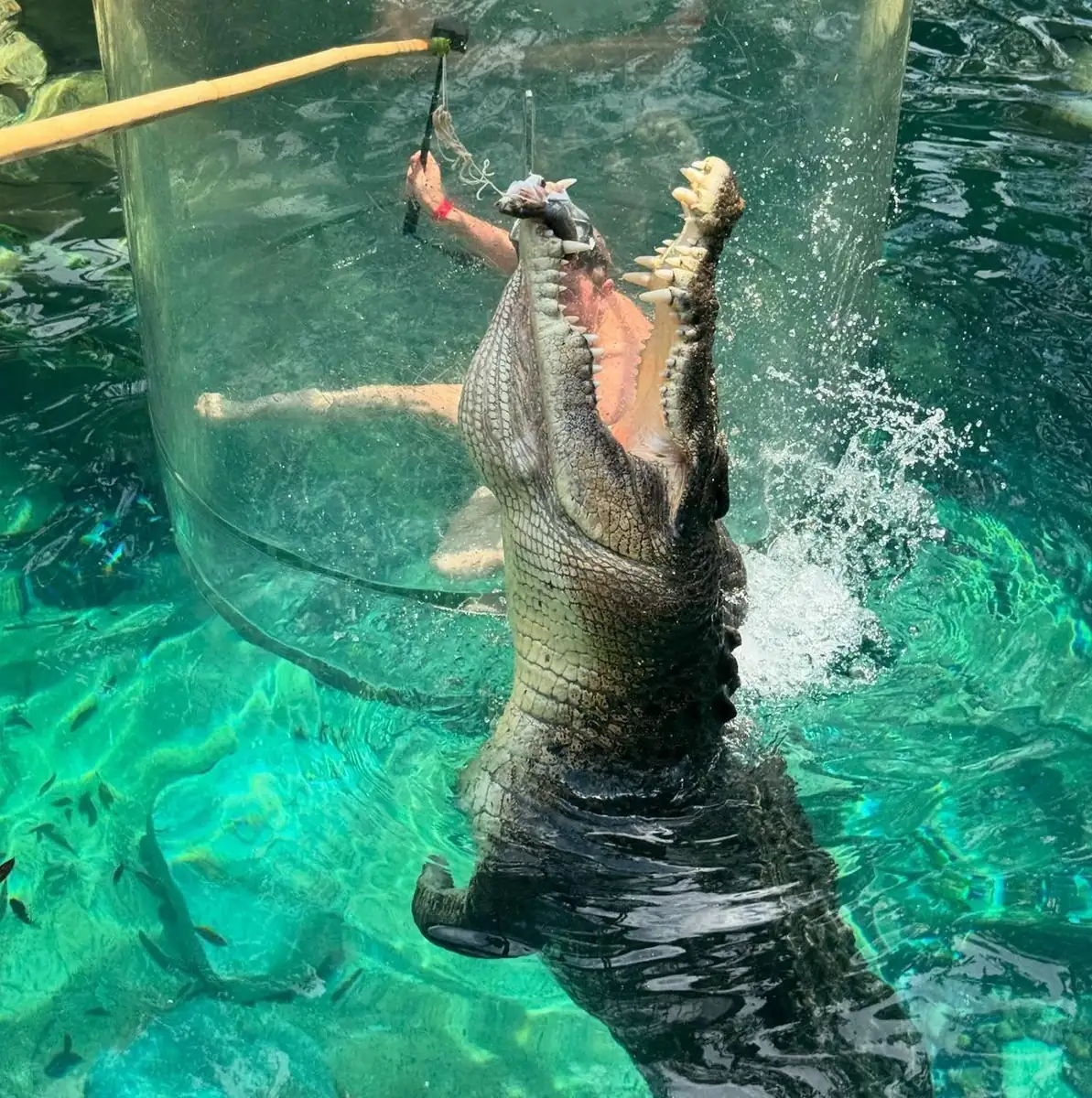
If you want to know you’re going to see crocodiles in a safe and controlled environment, then Darwin’s wildlife parks are the way to go.
Or if you’re travelling with kids, they’re a great option too.
Crocosaurus Cove has that famous Cage of Death experience – a controlled cage dive that’s been designed with safety in mind, complete with all the safety gear and strict supervision.
Crocodylus Park is primarily focused on education, with breeding programmes and conservation efforts.
A great place to learn about crocodiles and how to protect them for the long term.
The smaller reptile centres are more about giving you a genuine understanding of crocodiles and their place in the wild – rather than trying to thrill you with selfies.
Lots of tour companies – Autopia Tours included – offer itineraries that include crocodile parks and national parks – making it a lot easier to see these amazing animals in a safe and controlled environment – without the hassle of sorting it all out yourself.
Waterways Where Crocs Can Catch You Out
Outside of the controlled environments, crocs rule the waterways in Arnhem Land, the Daly River and all over the outback.
These are not places you go sightseeing.
The Daly and lower Mary systems are great fishing spots – but they are also among the most notorious for attacks on humans.
Most croc attacks occur near access points, not deep in the bush, which is why local knowledge is essential.
If you’re travelling on your own, your first stop should always be to find an Aboriginal guide or a licensed operator to provide guidance before you approach the water.
The Telltale Signs That a Croc Has Already Been There
One of the things that gets travellers into trouble is assuming that just because you don’t see any crocs, it’s safe to be there.
Newsflash: crocodiles are the ultimate patient predators.
Watch out for:
- Those smooth paths on muddy riverbanks that look like they’ve been worn down by a super smooth BMX bike – yeah, that’s probably a crocodile sliding in and out of the water.
- Clear as day, distinct crocodile tracks heading into or out of the water – it’s not rocket science to figure out what made those.
- Birds taking off in a panic from a certain spot on the river – they’re not just having a bad day, you know.
- Big old logs floating against the current, like they’re being swept along by some invisible hand
If you see any of these, you can bet your bottom dollar that a croc has already had you in its sights.
Just How Much the Seasons Can Affect Crocodile Risk
Timing is every bit as important as being in the right place – and I’m not just talking about catching a good sunset over the water.
Croc movement varies with the tides, rain, and temperature.
| Time Of Year | What Happens | What That Means |
|---|---|---|
| Wet Season (Nov–Apr) | Rivers connect, floodplains expand | Crocs spread widely |
| Early Dry (May–Jun) | Water recedes | Increased movement |
| Peak Dry (Jul–Sep) | Limited water | Crocs concentrate |
| Build-Up (Oct) | Heat spikes | Aggression increases |
This is why good trip planning advice is vital – you never know how a calm July river will turn by March.
Crocodiles and Aboriginal Knowledge
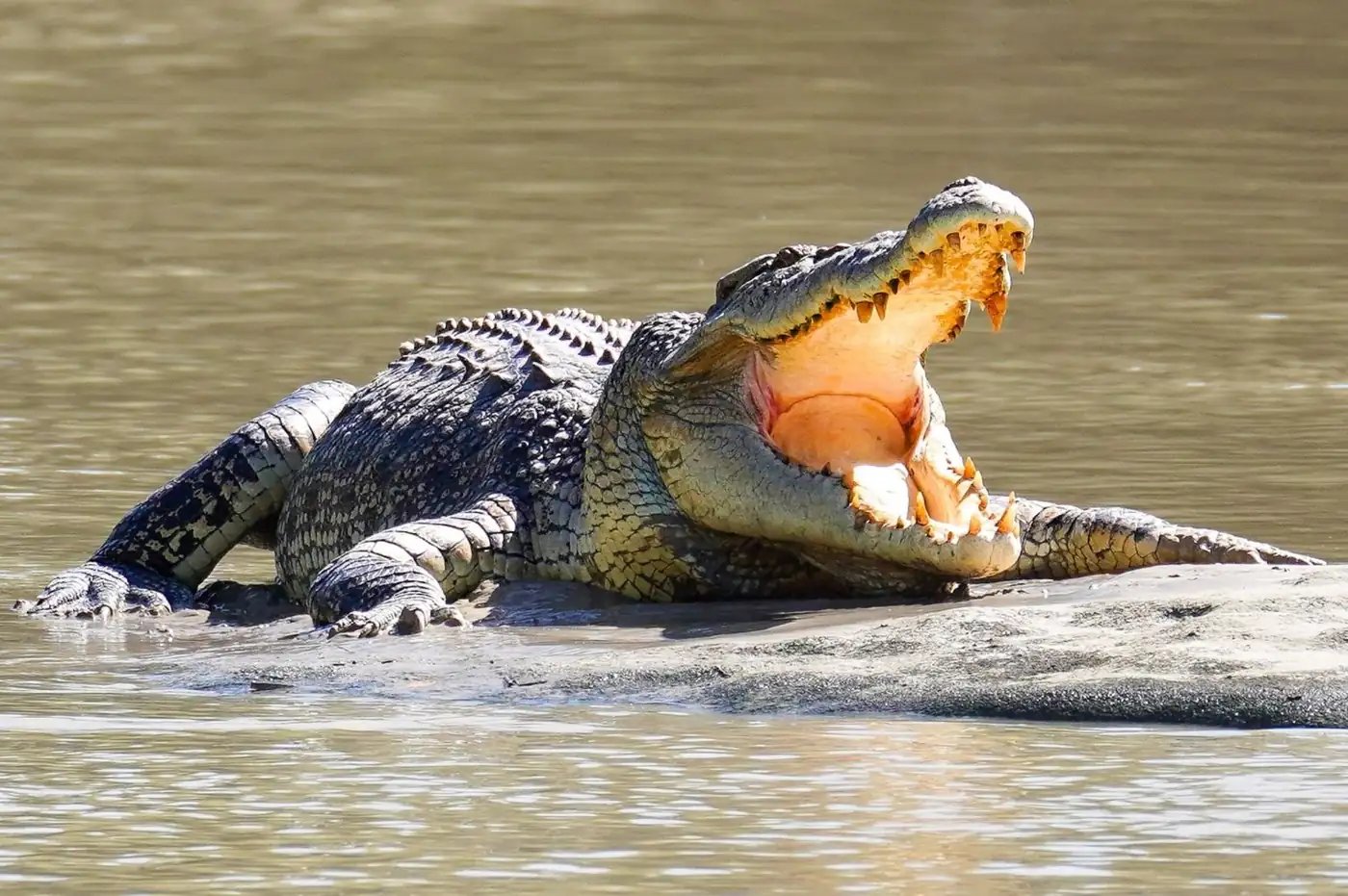
In the Top End, crocodiles have seeped into the very fabric of Aboriginal law, stories and land management.
Aboriginal culture integrates with the wild, acknowledging the shared ownership of Country.
Increasingly, best Darwin tours are offering Cultural Cruise experiences run by Aboriginal guides.
These tours show how crocodiles fit into seasonal schedules, food supply chains and modern conservation efforts.
It’s not just a fun fact – it’s the context that explains why certain places are off-limits.
Why Crocodile Conservation Still Matters
The recovery of Crocodylus porosus is one of Australia’s most celebrated conservation success stories – once nearly wiped out for their leather, people now marvel at the reversal of that trend, thanks to new protection laws.
The success, however, has brought new challenges.
Today, modern crocodile management is about striking the right balance among public safety, habitat protection, egg harvesting, and education.
They don’t remove crocs when they can help it – they reach a point where they can coexist with them.
Practical Rules For Staying Safe Around Crocs
These tips apply absolutely everywhere – whether it is a river or a wildlife park:
- Pay attention to the signs – and the rangers
- Keep a safe distance from the water’s edge
- Don’t even think about cleaning your fish near the riverbank
- Stay behind the safety rail – even when the view looks tempting
- Keep a constant eye on the kids
- Respect the site rules – they’re there for a reason
- If an area is closed, it’s probably because there are crocodiles there with an appetite for trouble
Choosing a Tour That Does It Right
When booking your croc experience, look for operators that have:
- A good safety record
- A clear water safety briefing before you head out
- A transparent system for managing how many people can go in at one time
- Flexibility in case the weather turns sour
- A sensible Book Now policy
Many travellers like to add a croc experience to a broader Darwin tour, and that’s where operators with a strong reputation, like Autopia Tours, really earn their keep, juggling permits, timing, and logistics with ease.
The Real Takeaway From Croc Country
Crocodiles aren’t the bad guys – they’re just animals doing what comes naturally.
The key to safely coexisting with them around Darwin isn’t about having a lot of courage – it’s more about showing respect, being patient, and listening to the locals who really know their stuff.
Do it the right way, and you’ll be walking away with some seriously good yarns to share with mates.
Do it the wrong way, and chances are you won’t get a second bite.
FAQ
Are saltwater and freshwater crocodiles both found near Darwin?
Yep, they do.
Estuarine and freshwater crocodiles share some of the same waterways, but only the salties are the ones you really need to worry about
Is it ever safe to swim in natural water around Darwin?
Only in the designated spots that are properly managed.
Don’t just assume that because the river or creek looks clear, it is safe
Are cage diving experiences genuinely safe?
It can be at places that are properly licensed and really strict about their controls – but it’s not something to take lightly
Why are crocodile numbers so high in the Top End?
Well, the protection laws and the fact that the habitat is healthy – that all combined allowed the populations to really bounce back.
Do national parks remove dangerous crocodiles?
Yes, they do – but only under very specific circumstances when public safety is at serious risk.
 James Smith
 James Smith